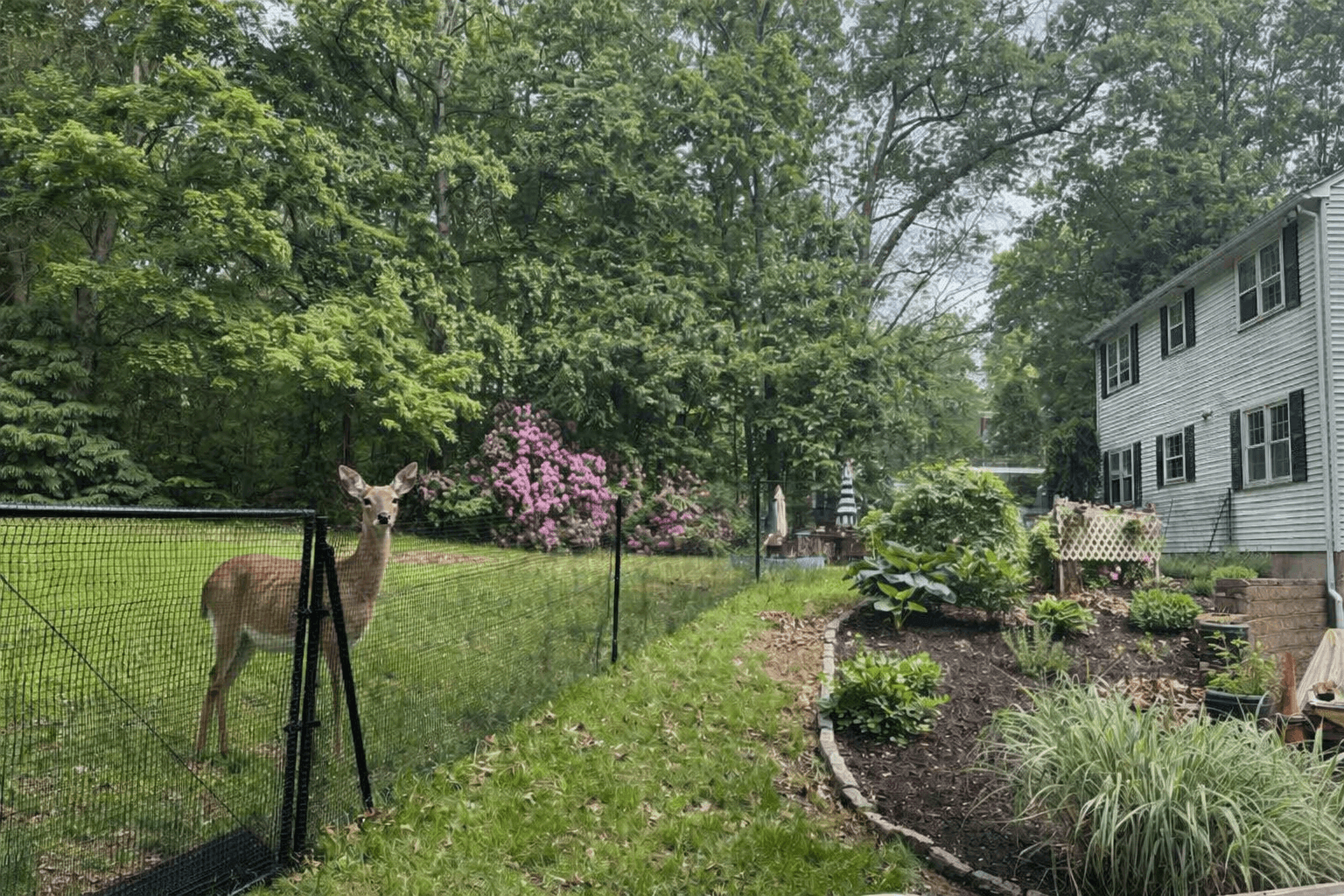
Why a Mesh Deer Fence Is Your Best Garden Defense
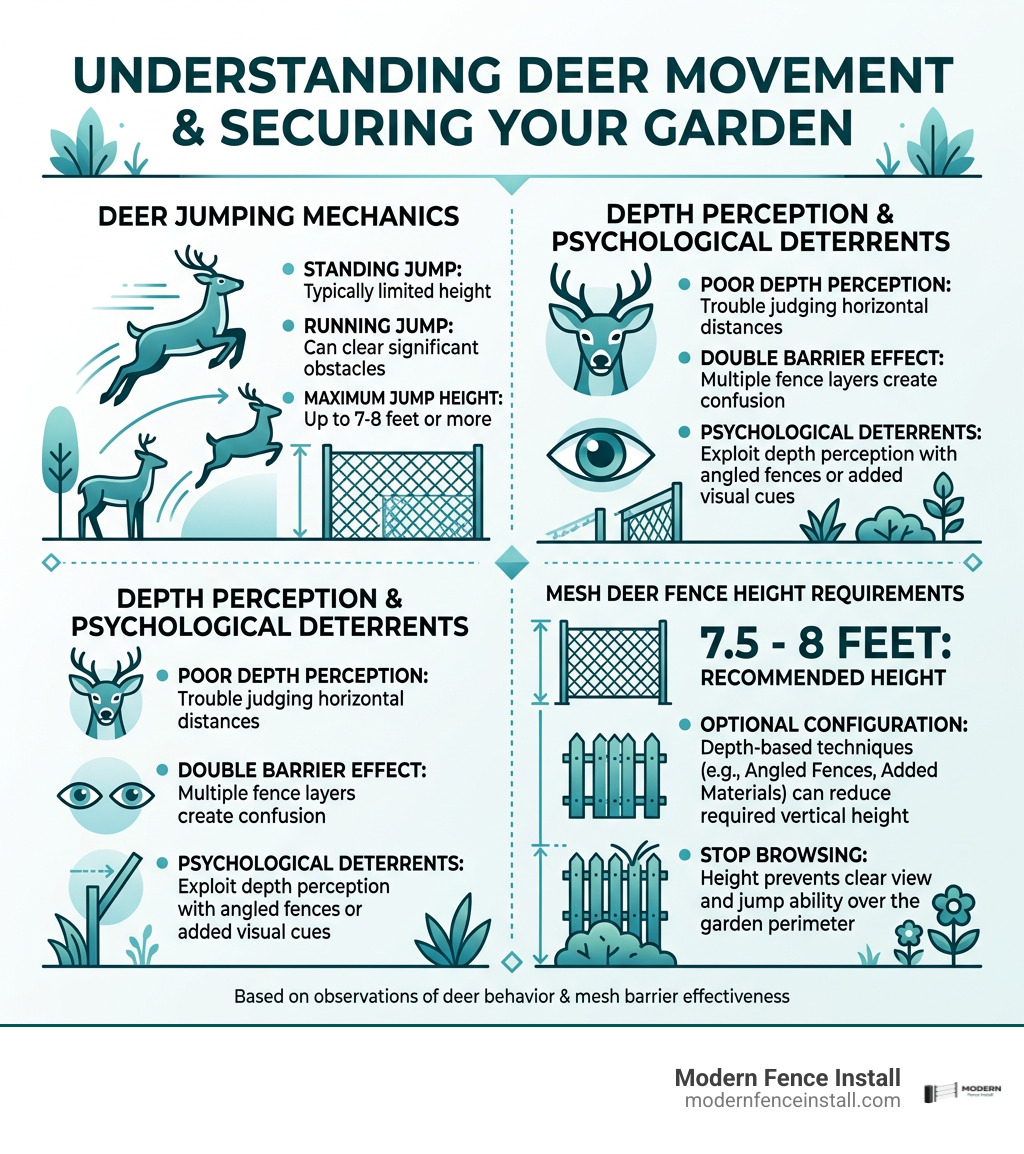
A mesh deer fence is the most reliable, low-visibility solution to stop deer from destroying your vegetables, flowerbeds, and young trees. When installed at a height of 7.5 to 8 feet or configured with depth-based psychological deterrents, high-tensile polypropylene mesh reduces deer browsing damage by 60% to 98% without blocking your outdoor view or requiring electric currents.
Here is what makes a durable deer mesh barrier work best:
- Optimal Height: 7.5 to 8 feet of vertical mesh to eliminate jumping clearance.
- Tough Material: UV-stabilized polypropylene or zinc-coated galvanized wire for all-weather durability.
- Grid Size: 3/4-inch to 2-inch openings that stop deer snouts while remaining bird-safe.
- Budget-Friendly: Material runs around $1.50 per linear foot and delivers an average lifespan of 6 to 8 years.
Unprotected seedlings face severe pressure from hungry wildlife—research shows that roughly 40% of young trees fail to survive without proper perimeter defense. A durable mesh system stops both voracious seasonal browsing and destructive autumn buck rubs before they ruin your hard work.
I'm Jason Levine, EMT-B, a Senior Consultant at Modern Fence Install, where I help homeowners select and install engineered, low-visibility mesh deer fence solutions throughout CT, NY, and MA. In my time designing non-electric containment systems, I have seen how the right mesh layout keeps your property secure while blending seamlessly into the natural landscape.
Types and Materials: Choosing the Best Mesh Deer Fence
Selecting the right barrier requires balancing physical strength, visual footprint, and overall longevity. While traditional wooden privacy fences create a heavy visual barrier and drive up costs, modern mesh options disappear against natural backdrops like woods, lawns, and ornamental shrubbery.
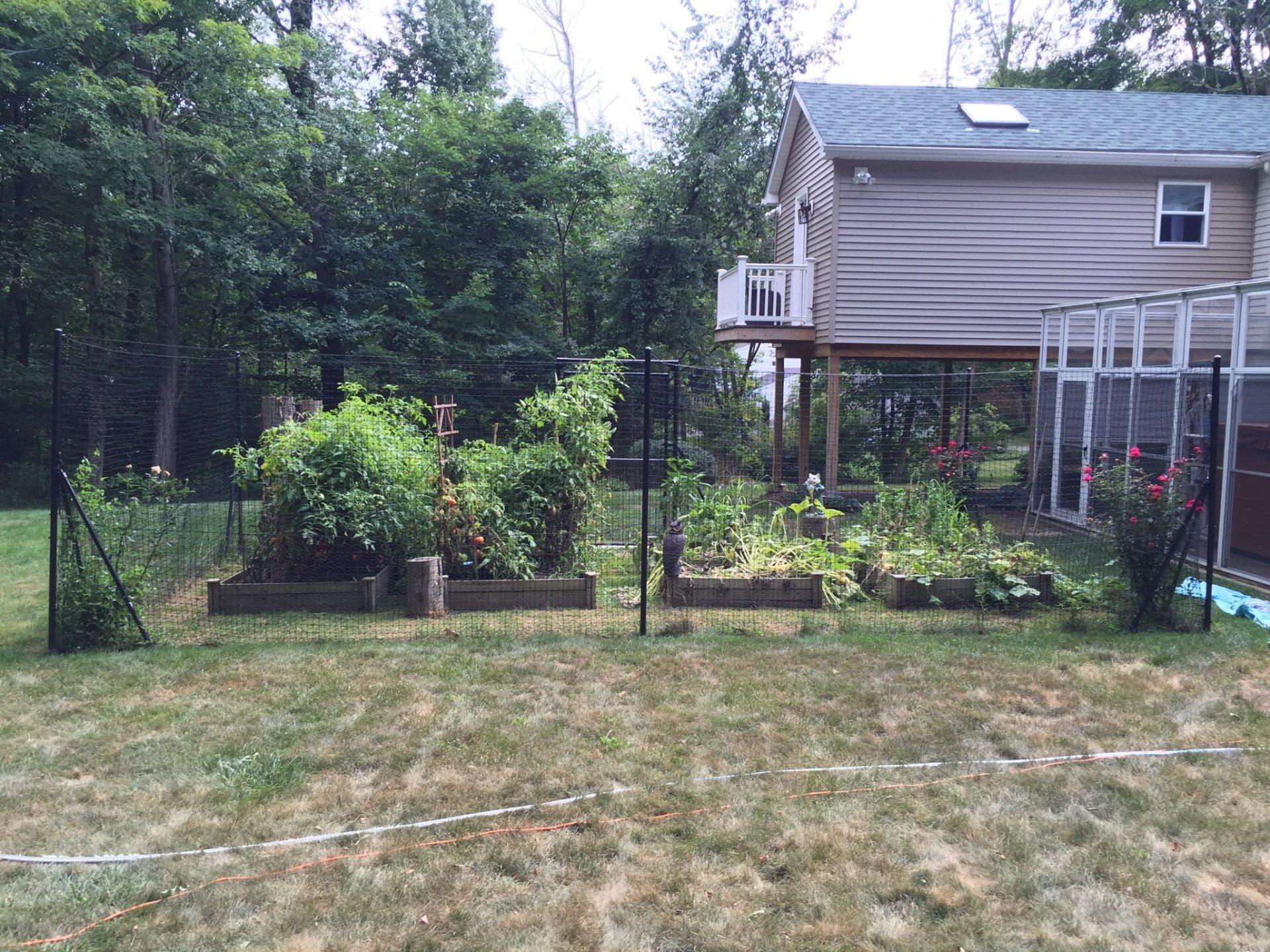
When selecting materials, homeowners generally choose among UV-resistant polypropylene netting, galvanized woven wire, or hybrid configurations. Each option serves distinct landscape requirements:
| Material Type | Expected Lifespan | Typical Material Cost (Per Linear Foot) | Visibility Level | Best Application |
|---|---|---|---|---|
| Standard Polypropylene Netting | 6 – 8 Years | $0.20 – $1.50 | Ultra-Low (Nearly Invisible) | Residential gardens, perimeter woodlands |
| Heavy-Duty Polypropylene Grid | 10 – 15 Years | $1.50 – $3.00 | Very Low | High-pressure deer corridors, large properties |
| Galvanized Wire Farm Fence | 15 – 20 Years | $0.70 – $2.50 | Moderate to High | Homestead perimeters, orchards, farms |
| Hybrid Mesh (Poly Top + Wire Apron) | 10 – 15 Years | $2.00 – $4.00 | Low to Moderate | Multi-pest exclusion (deer, rabbits, rodents) |
If you are weighing customized boundary setups against standard wooden enclosures, reviewing custom deer fence installation options helps you choose the right blend of durability and subtle aesthetics.
Standard vs. Heavy-Duty Mesh Deer Fence Materials
Standard-duty polypropylene netting features a lightweight design with 3/4-inch to 2-inch openings. It resists rot and rust while remaining tough enough to handle occasional deer bumps. A standard 7.5 ft by 330 ft roll provides dependable perimeter security for 6 to 8 years under normal weather conditions.
Heavy-duty polypropylene mesh undergoes extra stretching processes during manufacturing to enhance its tensile breaking strength. This heavy-duty version resists impact from charging deer and stands up against heavy snow loads without sagging. While heavy-duty material costs roughly twice as much per foot as basic netting, it offers extended resistance to UV degradation and physical strain. You can review up-to-date deer fencing costs to assess your initial material outlays across various roll grades.
Psychological vs. Physical Mesh Deer Fence Systems
A standard physical deer exclusion fence relies entirely on an 8-foot vertical barrier that deer cannot leap over. In contrast, a psychological deer fence works with how deer perceive depth and evaluate risk.
White-tailed and mule deer possess excellent peripheral movement detection but limited three-dimensional depth perception. When faced with visual ambiguity, their strong self-preservation instinct prevents them from jumping into spaces where their landing zone looks unsafe or trapped.
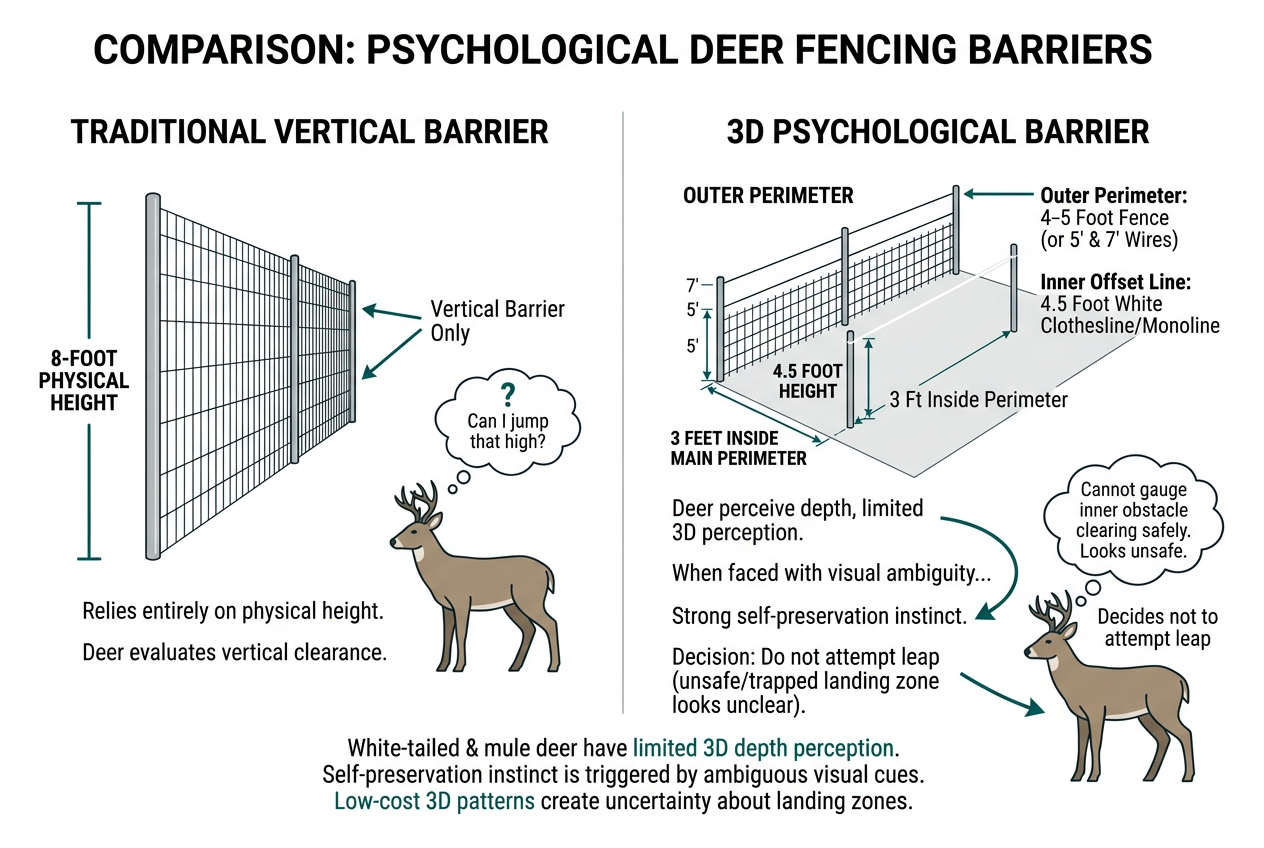
A low-cost psychological barrier can be built by stringing high-visibility wires or white lines in a staggered 3D pattern:
- Outer Perimeter: Install a standard 4-to-5-foot outer fence or two horizontal wire tiers set at 5 feet and 7 feet.
- Inner Offset Line: Run a taut white clothesline or high-contrast monoline at a height of 4.5 feet, positioned roughly 3 feet inside the main perimeter.
- Behavioral Deterrence: When a deer approaches, it spots both lines simultaneously. Because it cannot gauge whether its hooves will clear the inner obstacle safely, it decides not to attempt the leap.
These psychological systems have protected garden beds with remarkable consistency, proving that changing a deer's depth perception can be just as effective as tall physical barriers.
Step-by-Step Installation and Tensioning Guide
Installing a reliable mesh exclusion fence requires secure corner anchoring, tight support wires, and proper ground fastening. A loose fence invites deer to push underneath, which accounts for the vast majority of fence failures.
Our installation methodology follows proven agricultural design standards, including guidelines outlined in the Purdue University Extension deer fence design guide.
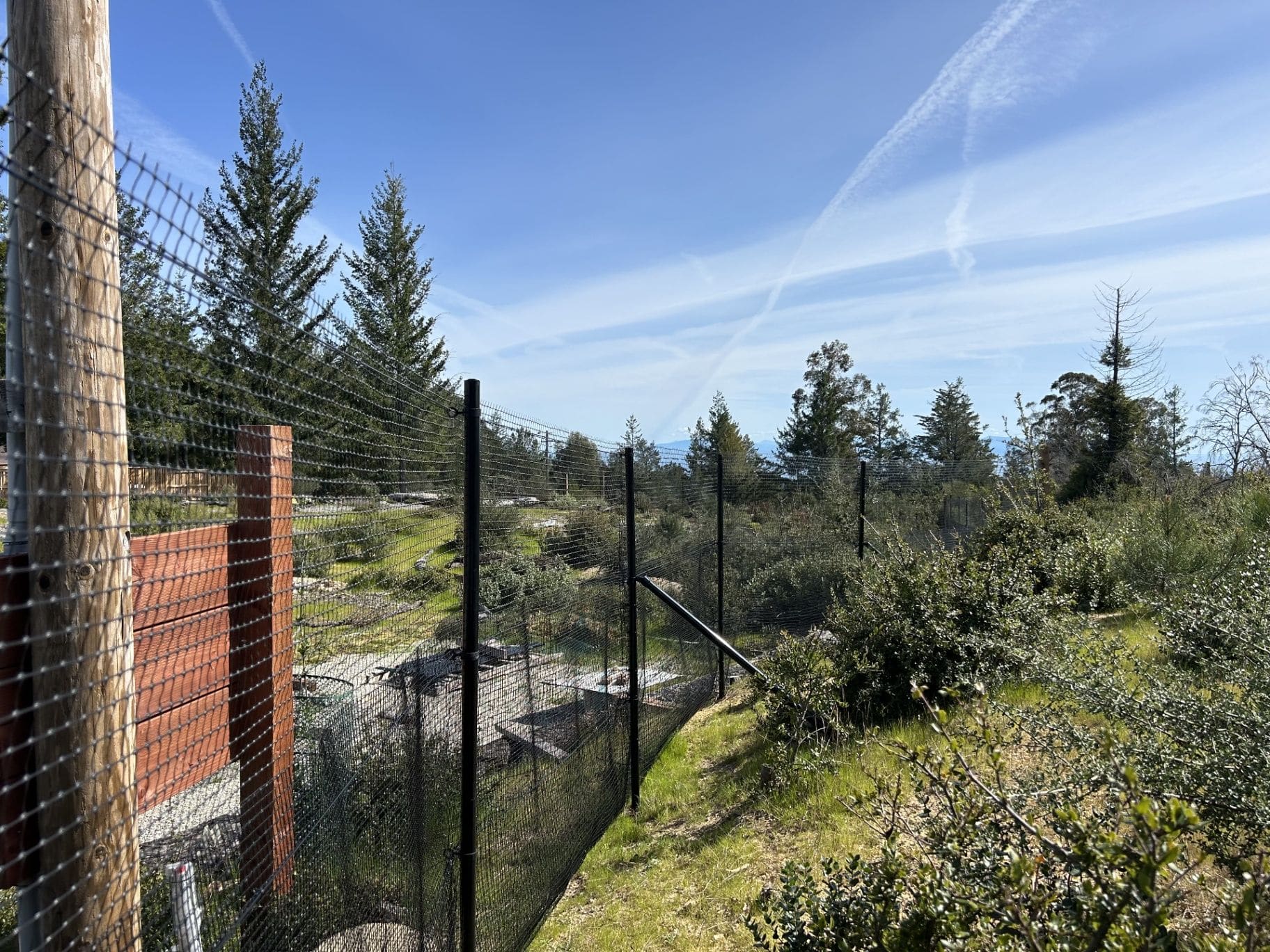
Follow this step-by-step sequence to construct a durable mesh barrier:
Step 1: Site Scouting and Layout Planning
Walk your perimeter to identify active deer runs and major game trails. Avoid placing fence lines tight against dense brush thickets where deer might blindly crash through your netting. Leave a clear buffer of 15 to 20 feet around garden edges or tree rows to allow room for mowers and maintenance equipment.
Step 2: Setting Corner and Line Posts
- Set heavy-duty wooden posts (10 feet long, 4 to 6 inches in diameter) or thick-walled steel pipes at all corners, gate openings, and direction changes.
- Sink corner posts at least 3 feet into the ground and install 45-degree diagonal brace posts to counter line tension.
- Space your intermediate line posts no more than 20 to 25 feet apart, sinking them at least 2 to 2.5 feet deep so you maintain a finished height of 7.5 to 8 feet above ground.
Step 3: Running and Tensioning Support Monolines
String high-tensile, 12.5-gauge monofilament polymer lines or galvanized steel cables horizontally across the posts at three specific heights:
- Top Monoline: 82 to 84 inches above the ground to support the top edge.
- Middle Monoline: 3 to 4 feet above the ground to resist body pushes.
- Bottom Monoline: 1 to 2 inches above the soil line for base stability.
Anchor the lines at your corner posts and use Gripple cam-locking tensioners to pull each run drum-tight. Keep runs under 1,000 linear feet per tensioning point, leaving a short tail of wire so you can easily re-tension the system down the road.
Step 4: Hanging and Fastening the Mesh
- Unroll the mesh along your post line, keeping the top edge aligned 2 inches above the top monofilament wire.
- Fasten the mesh to wooden posts using heavy U-staples (leaving slight play so the wood can expand) or secure it to metal t-posts with heavy-duty UV-rated zip ties.
- Using pneumatic or manual hog-ring pliers, crimp galvanized hog rings around the mesh and support monoline every 2 feet along the top run, and every 3 to 4 feet along the middle and bottom runs.
Step 5: Ground Staking and Flaring
Allow 4 to 6 inches of excess mesh to flare outward along the ground toward the side deer will approach from. Secure this bottom skirt firmly into the earth using 12-inch J-hook rebar stakes or heavy galvanized ground staples placed every 4 to 5 feet. This step stops deer and smaller critters from nudging their way under the fence.
For homeowners planning a project in the Hudson Valley or New York metro areas, our team handles custom setups through our dedicated property perimeter fencing in Westchester team.
Long-Term Maintenance and Site Adaptation
Once your mesh fence is up, simple seasonal checkups will keep it in peak working order:
- Managing Uneven Terrain: When crossing dips, swales, or seasonal drainage ditches, do not pull the mesh straight across high points—doing so leaves open gaps beneath the bottom wire. Instead, step your posts closer together and use extra ground stakes or an added piece of wire mesh to fill low spots.
- Clearing Vegetation: Keep weeds, heavy briars, and climbing vines trimmed along the bottom edge of your fence. Overgrown vines add excess weight and create a "sail effect" during high winds, while tall grass can hide burrowing entry points.
- Repairing Storm and Rut Damage: Falling branches and rutting bucks can tear mesh or strain monofilament lines. Patch tears quickly by overlaying a matching section of polypropylene mesh (overlapping by at least 6 inches on all sides) and fastening it with hog rings. You can re-tighten sagging support lines in seconds using your Gripple tool.
- Improving Visual Warning: Hang 12-inch strips of white or bright flagging tape at deer eye level (roughly 4 feet high) in a zigzag pattern every 10 to 15 feet. This added visual cue helps deer spot the new barrier early, preventing accidental collisions while they learn the new boundary.
A well-anchored perimeter barrier keeps deer away from prize plants and works well with wider predator deterrence strategies to protect small domestic pets and garden spaces alike.
Frequently Asked Questions About Deer Exclusion Fencing
How tall does a mesh fence need to be to keep deer out?
A standard vertical deer exclusion fence should stand between 7.5 and 8 feet tall. While healthy adult deer can leap high obstacles when running downhill or startled, an 8-foot vertical net presents an imposing visual barrier that deer avoid under normal conditions.
If local zoning or HOA guidelines cap your fence height at 5 or 6 feet, you can install a 3D double-fence layout (two parallel 5-foot fences spaced 4 to 5 feet apart) or add an angled top extension outward at 45 degrees to break up their jumping trajectory.
Can rodents and small pests chew through plastic mesh fencing?
Polypropylene mesh effectively stops deer, but small rodents like rabbits, groundhogs, and squirrels can chew through plastic netting if they are determined to reach garden crops.
To solve this issue, install a 24-to-36-inch tall apron of galvanized welded wire or hexagonal rodent wire along the bottom of the fence. Fasten this metal wire directly to your lower monofilament line, burying the bottom 6 inches below ground or flaring it outward with heavy soil pins to build a chew-proof lower perimeter.
Is mesh deer fencing more cost-effective than tree tubes or chemical repellents?
Yes, especially for properties covering more than a quarter-acre or sites with diverse, scattered plantings. While chemical scent repellents require constant reapplication after every rainstorm, an engineered mesh enclosure provides continuous 24/7 protection.
Individual tree tubes protect small tree trunks, but they leave lateral branches exposed once the canopy grows beyond the tube rim. A single properly installed mesh fence protects your entire garden, shrub collection, and orchard simultaneously, paying for itself by preventing expensive replanting costs.
Conclusion
A durable mesh deer fence offers an ideal blend of dependable physical protection, subtle landscape aesthetics, and sensible project value. By keeping hungry deer outside your perimeter, you safeguard your garden harvests, flowerbeds, and valuable young plantings for years to come.
At Modern Fence Install, our team installs engineered, non-electric steel-cable and low-profile mesh fences across Connecticut, New York, and Massachusetts. Our dig-free, high-tension systems install cleanly within a 30-day turnaround, saving property owners 30% or more compared to solid privacy fencing while keeping outdoor sightlines open.
Ready to protect your landscape with a custom non-electric containment layout? Connect with our team for professional fencing solutions in Westchester NY to schedule your on-site assessment today.