Deer Fence Installation MA: Protect Your Yard Without Blocking the View
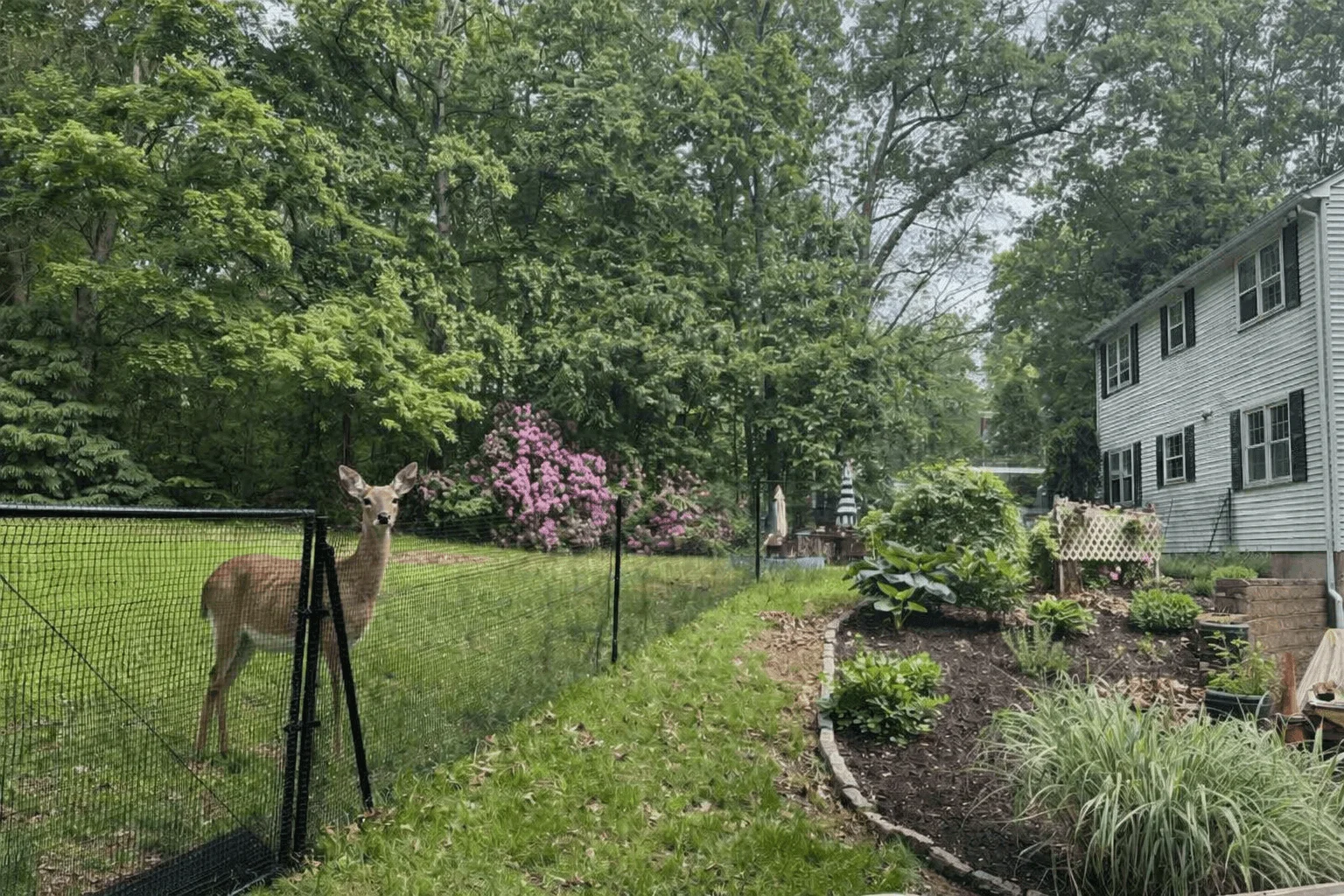
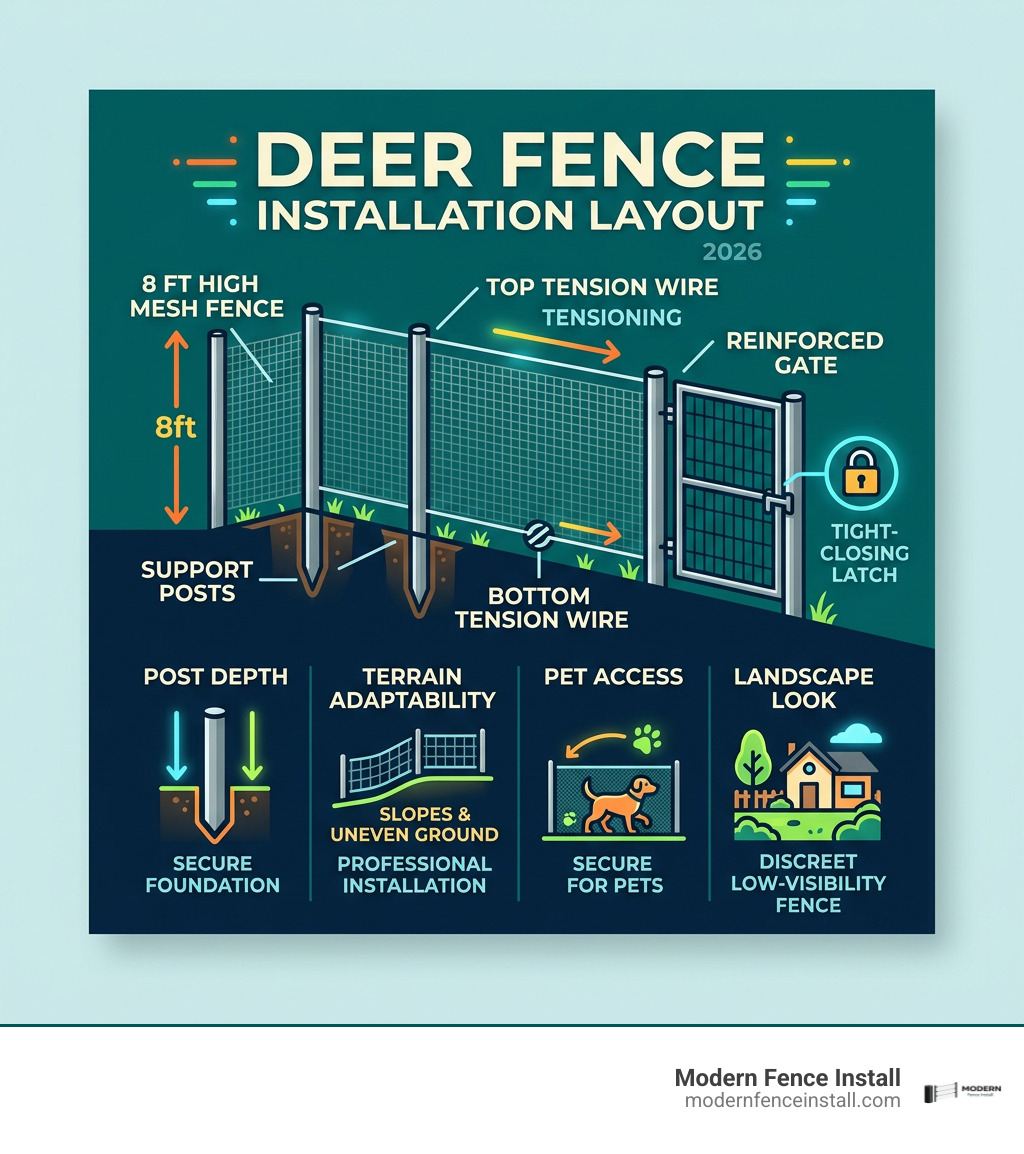
For reliable deer fence installation MA homeowners should choose an 8-foot, low-visibility perimeter fence with secure corners, a properly tensioned mesh, and a gate that closes tightly. A professional installer can match the system to your yard's slopes, rocky soil, garden layout, and pet-access needs - without turning your property into a solid-walled enclosure.
A good deer fence does more than protect shrubs and vegetables. It helps keep deer away from the spaces where your dog plays, preserves the look of your landscape, and creates a clear boundary that deer are less likely to jump or push through. In Massachusetts, material choice and installation details matter because freeze-thaw cycles, coastal moisture, wooded lots, and uneven ground can loosen poorly installed fences over time.
Jason Levine, EMT-B, is a Senior Consultant at Modern Fence Install, where he helps homeowners plan discreet, non-electric steel-cable and mesh systems for deer fence installation MA. His work focuses on practical, low-impact fencing that protects gardens, pets, and yards without extensive digging or a visible barrier.
2026 Cost Breakdown for Deer Fence Installation MA
Planning a perimeter defense project begins with understanding your investment. Overall, deer fence cost in 2026 ranges between $1,400 and $7,000 for most residential properties, with an average overall project running approximately $4,200. Small garden enclosures can start as low as $600, while expansive multi-acre estates with complex terrain may exceed $11,000.
Across the Commonwealth, standard fence installation rates range from $15 to $60 per linear foot installed, depending heavily on the materials and structural setup selected.
| Fence Material Type | Material Cost / Linear Foot | Total Installed Cost / Linear Foot | Expected Lifespan in MA | Primary Benefits |
|---|---|---|---|---|
| Plastic / Polypropylene Wire | $6 – $10 | $12 – $20 | 15 – 25 Years | High flexibility, lightweight, virtually invisible |
| Steel Hex Web / Metal Wire | $10 – $15 | $18 – $28 | Up to 30 Years | Chew-proof against rodents, heavy-duty strength |
| PVC-Coated Welded Wire | $12 – $18 | $22 – $35 | 20 – 30 Years | Rigid barrier, rust-resistant, clean sightlines |
| Agricultural / Farm Fencing | $4 – $12 | $8 – $30 | 15 – 25 Years | Multi-purpose livestock and perimeter boundary |
| Chain-Link Fencing | $10 – $20 | $15 – $40 | 30+ Years | Heavy physical deterrence, budget utility |
| Solid Wood Privacy | $15 – $30+ | $25 – $50+ | 15 – 20 Years | Total privacy, but blocks scenic New England views |
Homeowners evaluating broader yard barriers often review standard regional pricing benchmarks to compare traditional solid barrier construction with specialized, low-visibility wildlife fencing.
Average Costs per Linear Foot and Project Ranges
Labor generally accounts for roughly half of the total expense when installing a wildlife boundary. Skilled fence contractors throughout Eastern and Western Massachusetts typically charge between $30 and $60 per hour, or $6 to $10 per linear foot in direct labor.
A standard 150-foot perimeter enclosure in Massachusetts averages roughly $2,500 to $10,000 installed when using traditional framing methods. However, our purpose-built, non-electric steel-cable and low-profile mesh fences save over 30% compared to heavy solid fences. This approach cuts unnecessary digging, heavy machinery rental, and extended disruption to your turf.
Additional Budget Factors: Gates, Tensioning Kits, and Site Prep
Beyond the baseline linear footage, several structural components must be accounted for in your project budget:
- Access Gates ($150 – $1,000): Driveway double-swing gates, wide lawnmower access points, and standard pedestrian gates require reinforced hardware and tight latching to ensure deer cannot nudge their way inside.
- Tension Wire Systems: Heavy-gauge top and bottom tensioning wires prevent the mesh from sagging under heavy snow accumulation or lifting when animals test the lower perimeter.
- Heavy-Duty Corner and End Bracing: Structural corner posts withstand directional pulling forces and stabilize long linear runs.
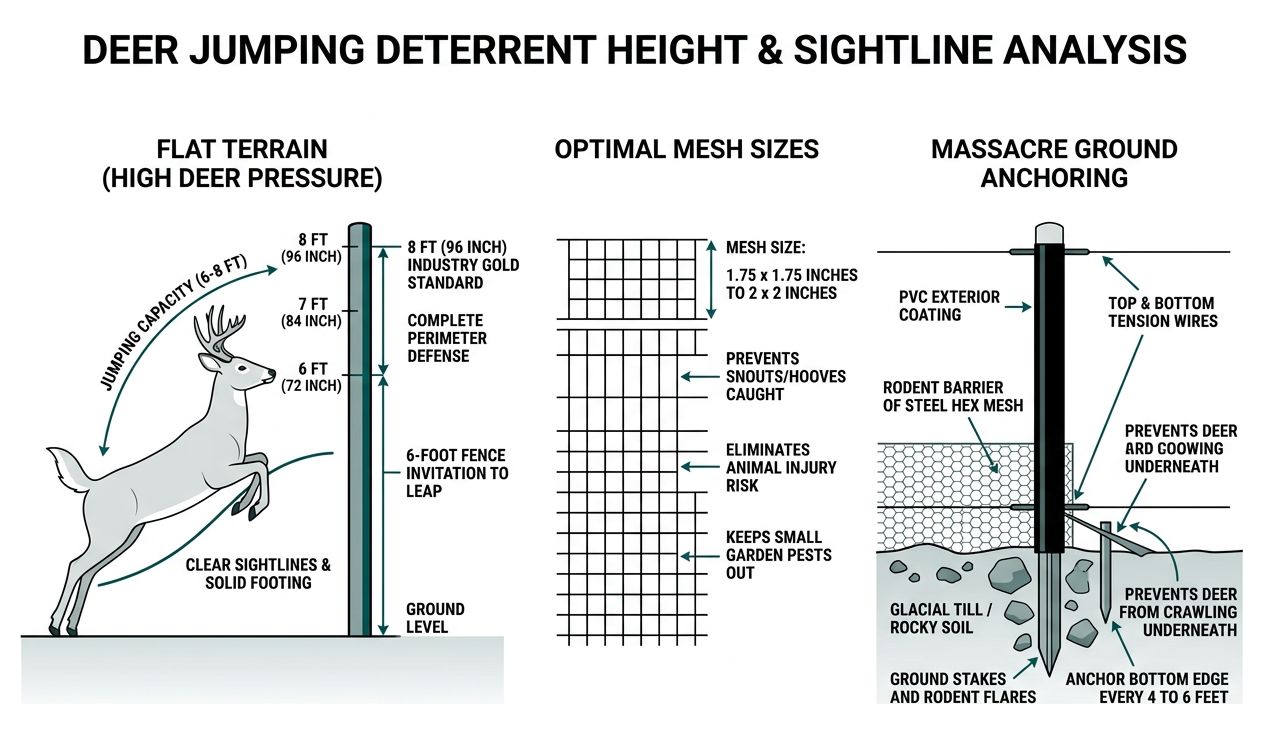
- Ground Stakes and Rodent Flares: Anchoring the bottom edge every 4 to 6 feet keeps deer from crawling underneath.
- Site Preparation: Removing dense New England brush, fallen timber, or undergrowth along property lines reduces installer labor hours and prevents tree limbs from damaging the wire.
Best Materials and Heights for New England Deer Containment
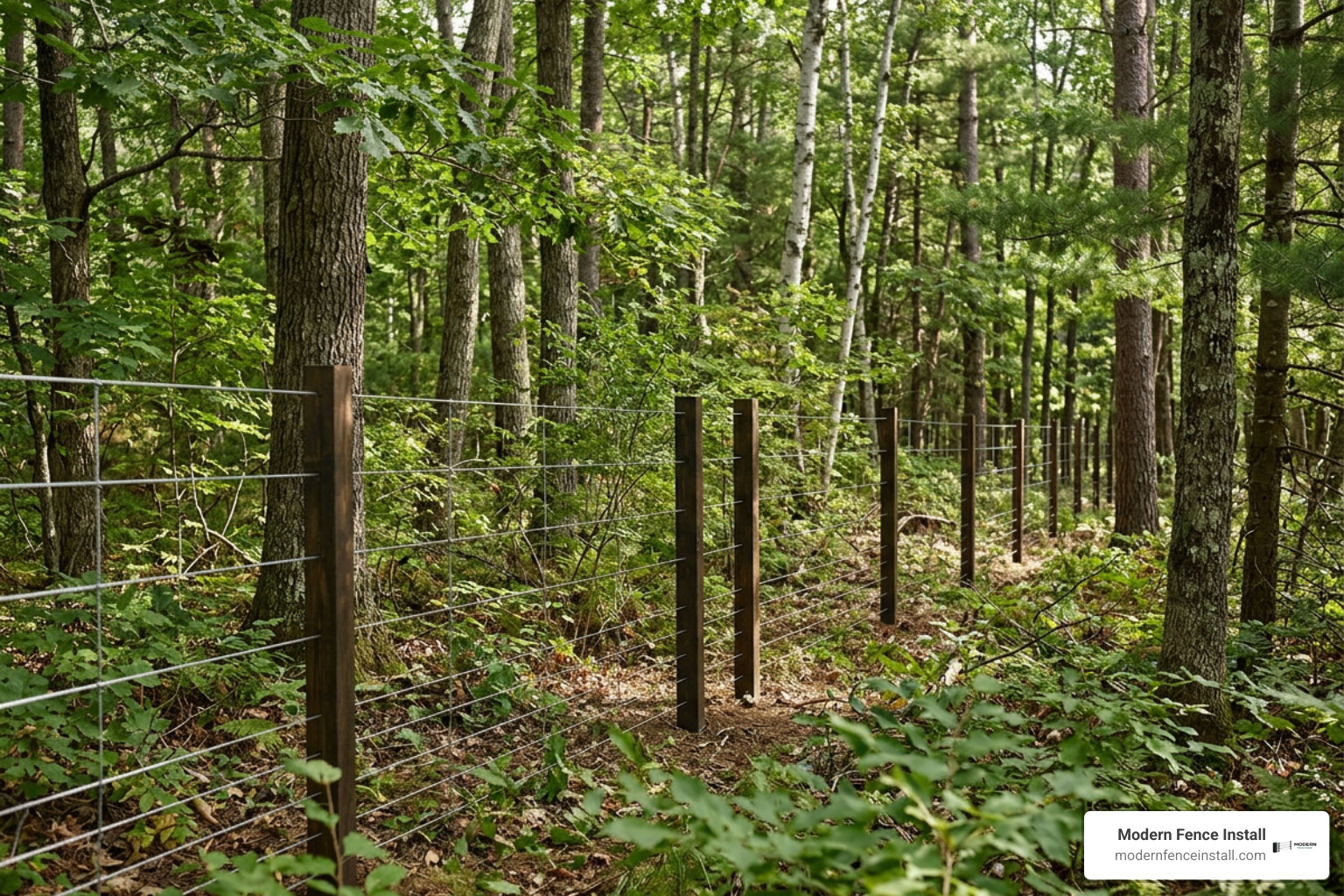
Selecting the right barrier requires balancing structural integrity against visual impact. Purpose-designed garden fence installation services focus on systems that physically stop high-pressure wildlife herds while seamlessly blending into wooded tree lines, stone walls, and rolling lawns.
Poly Mesh vs. Metal Wire vs. Welded Wire Durability
- High-Strength Polypropylene (Plastic) Mesh: UV-stabilized plastic deer fencing is lightweight, impact-resistant, and virtually invisible from 15 to 20 feet away. It absorbs the kinetic impact of a charging deer without permanent denting and holds up well against coastal air.
- Steel Hex Web Fencing: Steel hex mesh features a zinc-galvanized interior core surrounded by a black PVC exterior coating. Because small critters such as rabbits, squirrels, and woodchucks can gnaw through poly mesh near ground level, combining an upper poly grid with a lower steel hex rodent barrier provides comprehensive 30-year protection.
- PVC-Coated Welded Wire: Welded wire offers a clean, rigid grid layout. The PVC exterior layer seals the weld joints against freezing moisture and road salts, making it ideal for high-traffic zones or windswept coastal properties.
Optimal Heights and Mesh Sizes to Stop Jumping Deer
A mature white-tailed deer can clear vertical hurdles of 6 to 8 feet if it has clear sightlines and solid footing. For flat terrain with high deer pressure, 8 feet (96 inches) is the industry gold standard for complete perimeter defense. A 6-foot fence is often just an invitation for an athletic deer to leap if attractive hostas or vegetable beds sit on the other side.
Mesh openings sized between 1.75 x 1.75 inches and 2 x 2 inches prevent deer from getting their snouts or hooves caught, eliminating the risk of animal injury while keeping smaller garden pests out.
Navigating Massachusetts Frost Lines, Soil, and Permits
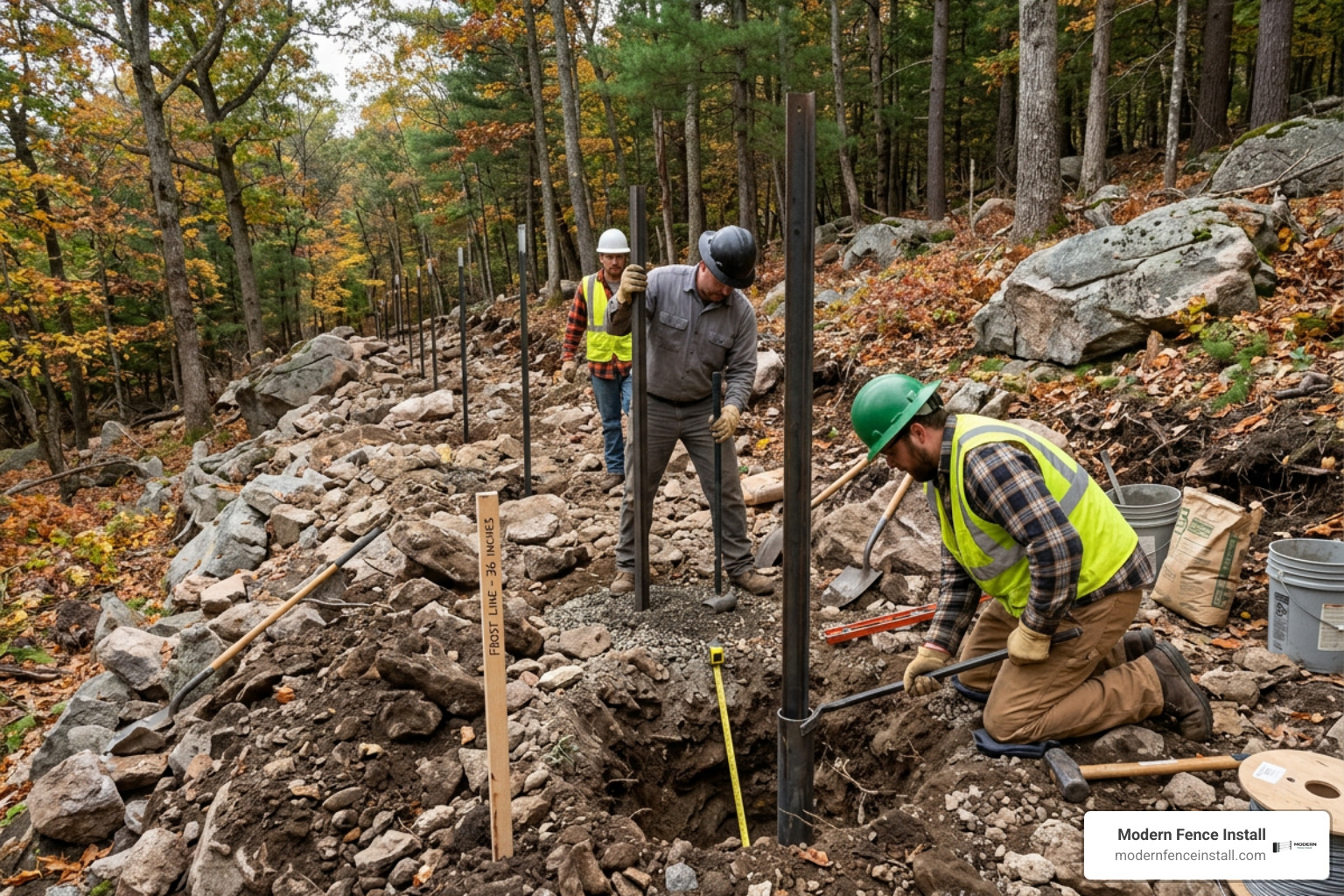
Installing long-lasting fences in Massachusetts requires preparing for local soil conditions and harsh winters. From the granite ledges of the North Shore to the glacial till of Metrowest, local ground conditions demand specialized installation techniques.
Overcoming the 48-Inch Frost Line and Rocky Terrain in Deer Fence Installation MA
Massachusetts has an established frost line of roughly 48 inches (4 feet). When ground water freezes, it expands upward with thousands of pounds of pressure. If posts are set too shallow, repeated freeze-thaw cycles will heave the footings out of alignment, causing the fence line to sag.
To prevent frost heave without tearing up your yard with backhoes:
- Engineered Ground Sleeves: Heavy-gauge galvanized steel sleeves are driven deep into the subsoil using specialized pneumatic or manual post pounders. The structural line posts slide directly into these secure sleeves, resting below the active frost layer without requiring expansive concrete collars that heave over time.
- Ledge Rock and Boulders: When encountering subterranean granite, specialized core-drilling equipment secures anchor pins directly into the bedrock, creating a firm base across rocky landscapes.
Massachusetts Municipal Permits and Property Line Setbacks
Before breaking ground, property owners must navigate local Massachusetts zoning bylaws:
- Permit Requirements: Most Massachusetts towns require building permits for fences exceeding 6 feet in height, with application fees generally ranging from $50 to $200. Because standard deer fencing stands 7.5 to 8 feet tall, filing for an administrative height review or landscape variance is often standard practice.
- Property Line Setbacks: While many residential zones permit fences right up to the boundary line, certain municipalities require setbacks ranging from 1 to 5 feet for maintenance access.
- Dig Safe MA: State law mandates contacting Dig Safe (811) at least 72 hours before post driving to locate underground power, gas, and communications infrastructure.
DIY vs. Professional Deer Fence Installation in MA
While self-install kits appeal to hands-on property owners, installing hundreds of feet of high-tension boundary mesh on sloped terrain requires specialized tools.
When to Hire Professional Deer Fence Installation MA Contractors
Hiring a specialized team ensures your fence stays straight and taut across challenging landscape contours:
- Grade Changes: Rolling hills and steep ravines require stepped post placements and bottom skirt pinning to eliminate gaps where deer can squeeze underneath.
- High-Tension Wire Pulling: Uniform top and bottom cable tension prevents wavy mesh lines and eliminates sagging under heavy winter snow loads.
- Fast Completion: Modern Fence Install completes engineered, non-electric cable projects within 30 days of initial consultation, keeping your landscaping safe before peak browsing season.
Key Regional Service Areas Across Massachusetts
We design and install custom deer barrier systems throughout the state, tailoring each setup to local geography and municipal requirements:
- North Shore & Cape Ann: We deliver coastal-grade, rust-resistant North Shore MA deer fencing and tailored Cape Ann property protection. Our team serves historic estates and coastal properties in Manchester-by-the-Sea, Beverly, Beverly Farms, Prides Crossing, Magnolia, Essex, Ipswich, Rowley, Boxford, Topsfield, Wenham, South Hamilton, Hamilton, Marblehead, Gloucester, Rockport, West Gloucester, East Gloucester, Annisquam, Lanesville, Pigeon Cove, and Bay View.
- Greater Boston & Metrowest: Property owners turn to our Metrowest MA deer fence installation teams for seamless, HOA-friendly perimeter setups in Weston, Wayland, Wellesley, Concord, Carlisle, Lincoln, Sudbury, Sherborn, Dover, Natick, Needham, Westwood, and Milton.
- South Shore & Coastal Communities: Explore dedicated South Shore MA fencing engineered to withstand Atlantic wind loads across Hingham, Cohasset, Scituate, Norwell, Hanover, Duxbury, Pembroke, Marshfield, and Plymouth.
- Cape Cod: Protect coastal plantings and residential gardens with Cape Cod wildlife fencing in Barnstable, Osterville, Chatham, Harwich, Brewster, Dennis, Yarmouth Port, Eastham, Orleans, Wellfleet, and Truro.
- The Berkshires: Robust woodland solutions handle heavy snow loads and dense mountain herds through The Berkshires deer fence services, covering properties in Great Barrington, Lenox, Stockbridge, Lee, Sheffield, Egremont, West Stockbridge, Richmond, Tyringham, and Williamstown.
Frequently Asked Questions About Massachusetts Deer Fencing
How deep do fence posts need to be in Massachusetts to avoid frost heave?
Fence posts or their supporting ground sleeves should reach between 36 and 48 inches below the soil line. Because Massachusetts experiences a deep 48-inch frost line during harsh winters, shallow post placements will inevitably heave upward as moisture freezes and expands in the topsoil.
How long does a low-visibility deer fence last in New England weather?
High-quality deer fencing lasts between 15 and 30 years depending on the chosen materials. UV-stabilized polypropylene mesh provides 15 to 25 years of service, while PVC-coated galvanized steel hex wire and high-tensile steel cables easily endure for 30 years or more without corroding from road salts or ocean air.
Can I install an effective deer fence without digging or using concrete?
Yes. Modern Fence Install specializes in purpose-built, non-electric steel-cable and sleeve systems that eliminate the need for extensive trenching, post-hole augering, or concrete footings. High-strength sleeves are driven directly into the ground, preserving root systems, avoiding lawn destruction, and reducing total project costs.
Conclusion
Protecting your gardens, ornamental shrubs, and turf from deer browsing does not mean turning your property into an unsightly fortress. Modern Fence Install installs engineered, non-electric steel-cable systems and low-profile mesh fences that safeguard your yard while preserving your scenic woodland views.
Our purpose-built, low-visibility containment solutions save over 30% compared to traditional solid fencing and require no deep digging or electric shocks. Operating across Connecticut, New York, and Massachusetts—and providing trusted deer containment solutions throughout the tri-state and Hudson Valley regions—we schedule and complete professional installations within 30 days. Contact our team today to design a discreet, durable deer barrier tailored to your landscape.