If you're searching for a way to keep your dog in your yard, you've almost certainly come across two options: an invisible (electric) fence that uses a buried wire and a shock collar, or a physical fence that is, well, an actual fence. We install the physical kind — but this article isn't a sales pitch. It's the honest tradeoffs.
How invisible fences actually work
An invisible fence is a buried wire that creates a perimeter signal. Your dog wears a collar with two metal probes against their neck. As the dog approaches the wire, the collar beeps. If the dog continues, the collar delivers an electric shock. The dog learns, through repeated correction, to associate the beep with pain and to stop before the line.
How physical fences work
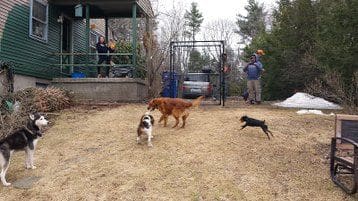
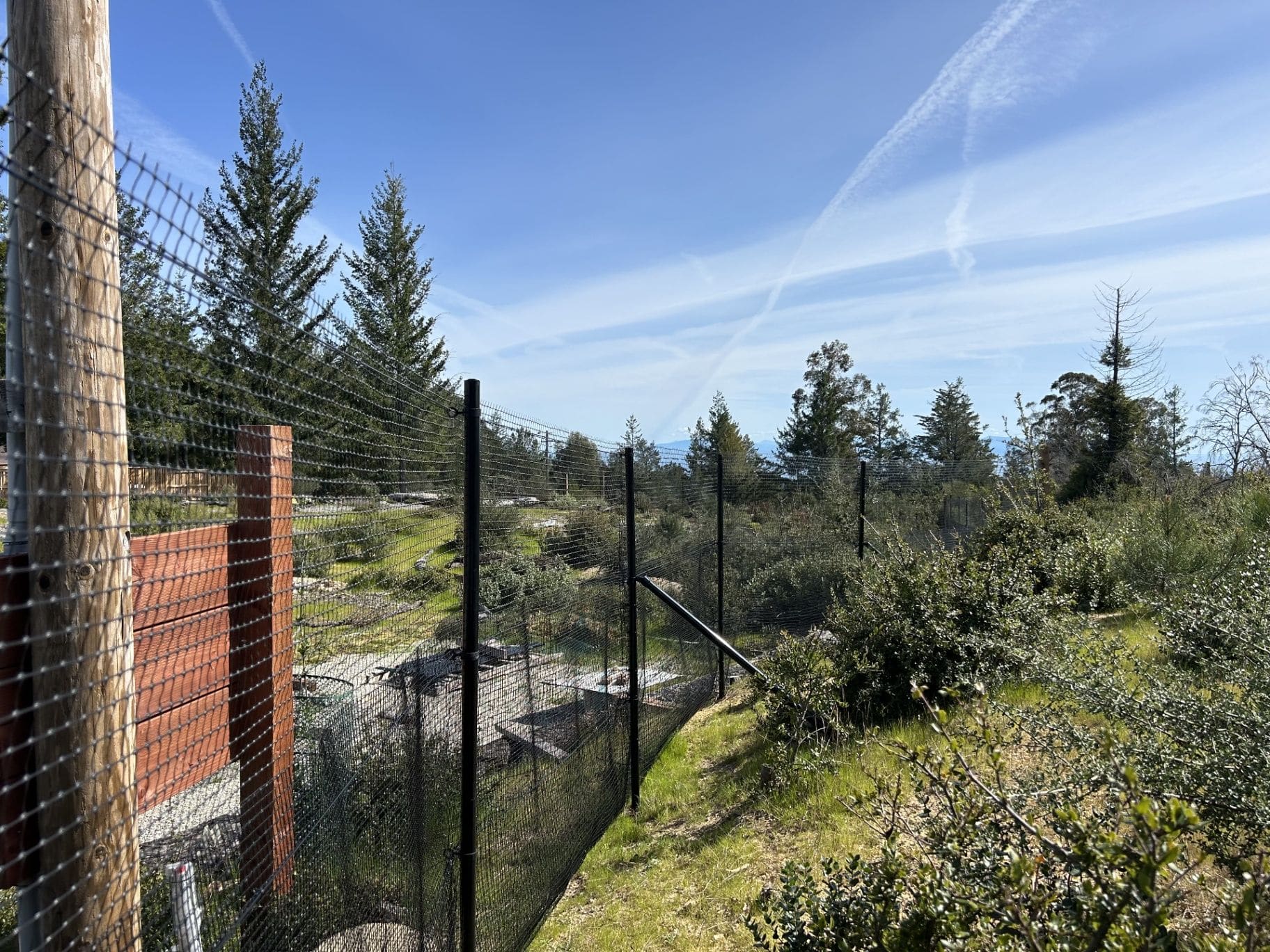
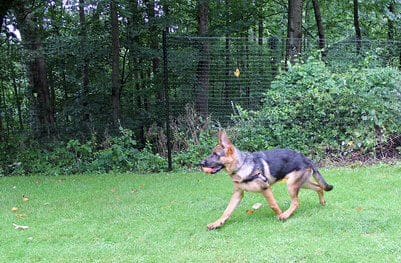
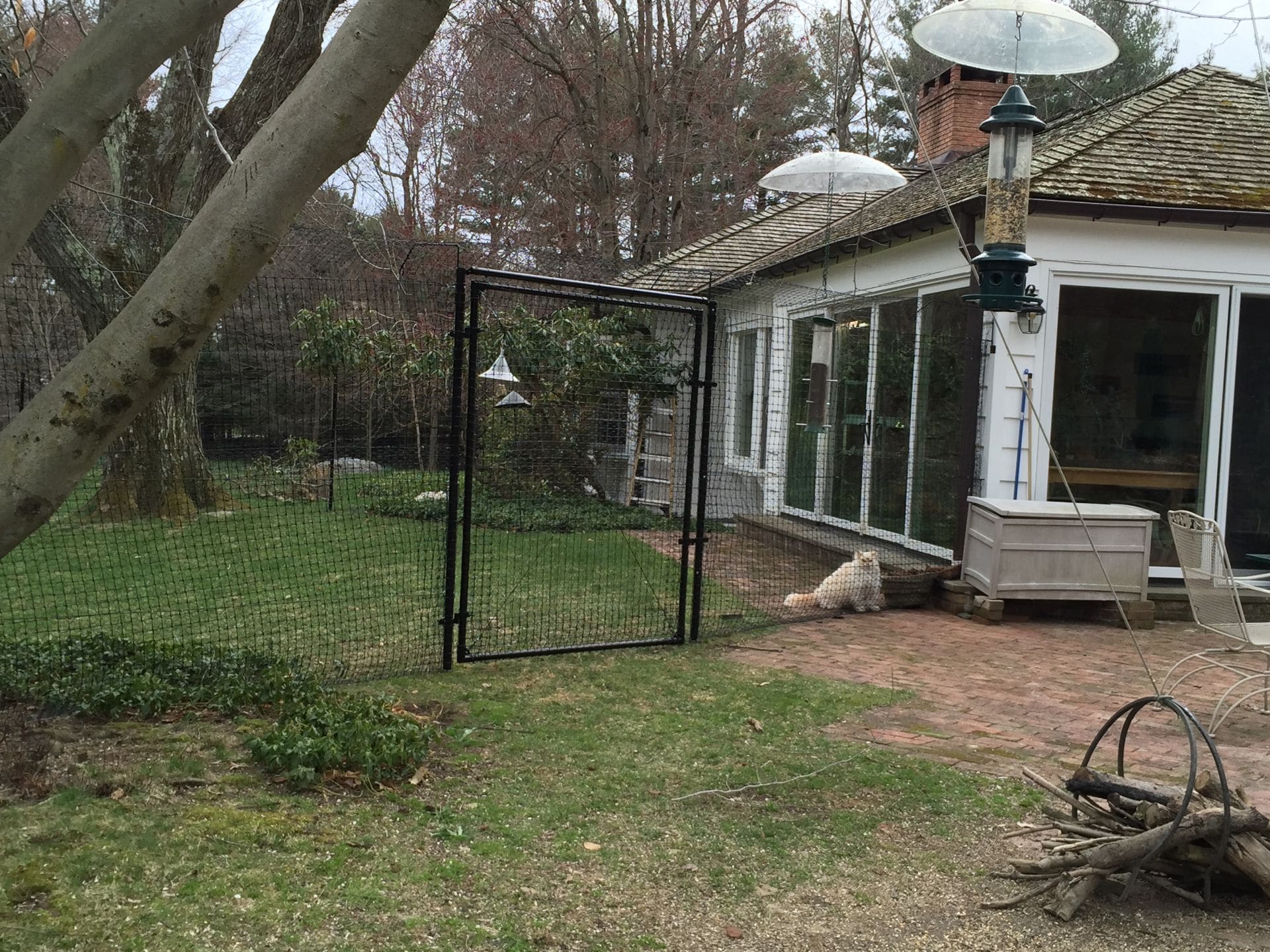
A physical fence is a continuous barrier — typically posts, mesh, and tensioned cable — that the dog physically cannot pass through. There's no training, no battery, no signal, no shock. The dog doesn't have to learn anything. The fence simply exists.
The seven tradeoffs that actually matter
1. Reliability
Invisible fences fail in predictable ways: dead collar batteries, severed wires (tree roots, frost heaves, lawn aerators), power outages, signal interference, and — most commonly — a dog deciding the shock is worth chasing the squirrel. Physical fences fail in one way: they get damaged. Otherwise they just work, every day, forever.
2. Coyote and predator protection
3. Training stress
Invisible fences require training your dog to associate a beep with pain. For some dogs this is mild and quick. For sensitive dogs — especially anxious rescues, sighthounds, or small breeds — it's traumatic. Physical fencing requires zero training.
4. Visitors and other dogs
Invisible fences only protect dogs wearing the collar. Visiting dogs, neighbor dogs, and your kids' friends' dogs aren't contained. Physical fences contain everyone equally.
5. Visibility and aesthetics
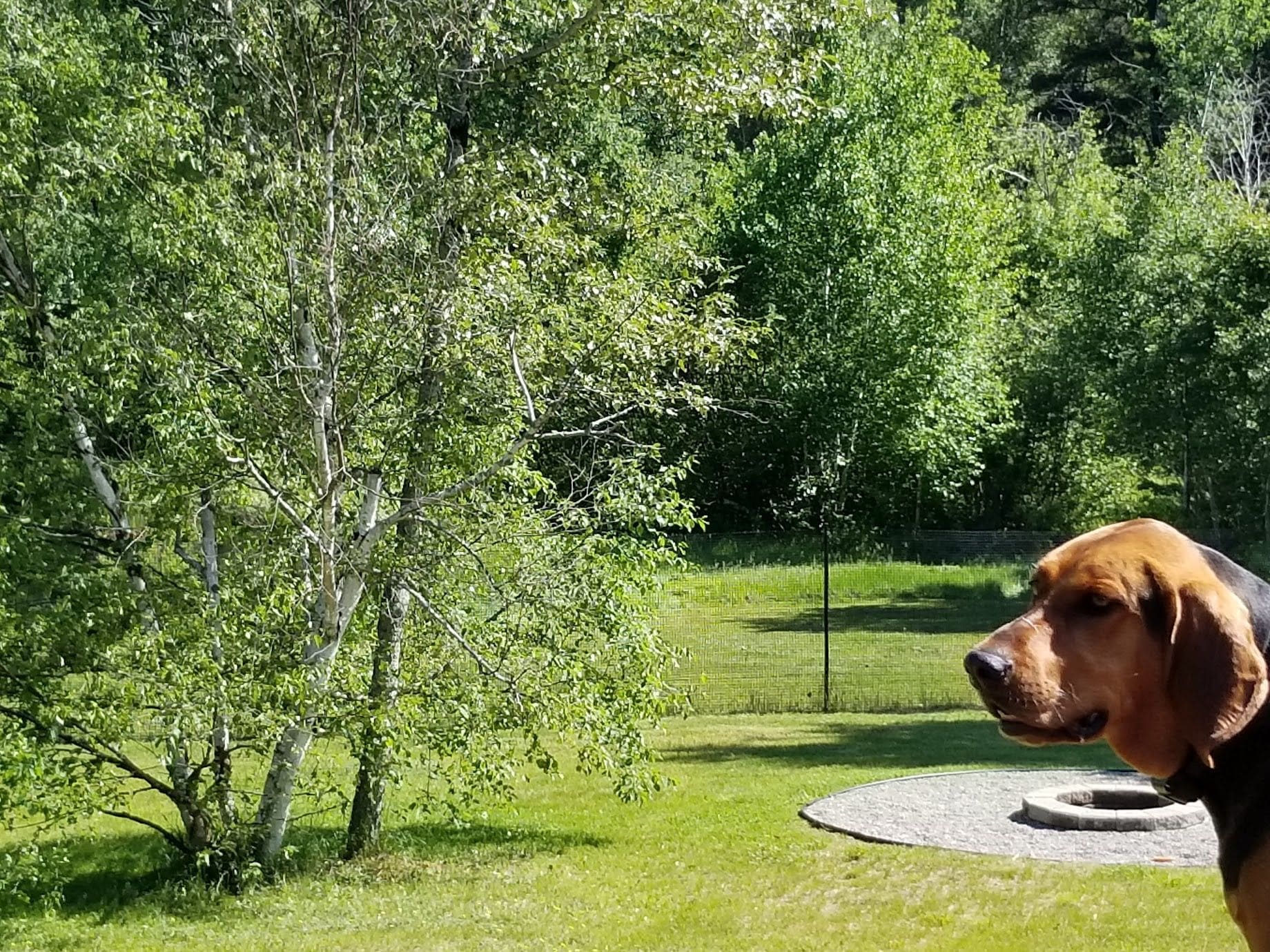
This is where invisible fences sound appealing — there's nothing to see. But modern non-electric fencing using black mesh and slim posts visually disappears against trees and shrubs from just a few feet away. The aesthetic gap is much smaller than people assume.
6. Long-term cost
| Cost component | Invisible fence | Physical fence |
|---|---|---|
| Initial install | $1,200 – $2,500 | $3,500 – $20,000+ |
| Collar batteries | $50 – $150 / year | $0 |
| Replacement collars | $150 – $300 every 2–4 years | $0 |
| Wire repair | $150 – $500 every 2–5 years | $0 |
| Lifespan | 5 – 8 years typical | 20 – 30+ years |
| Resale impact on home | Neutral / negative | Often positive |
7. The escape problem
Most people don't realize this until it happens: a determined dog in a high-prey-drive moment will run through an invisible fence shock. The pain is brief, the squirrel is right there, and once the dog is across the line the collar keeps shocking — making them less likely to come back. With a physical fence, this scenario doesn't exist.
When invisible fencing might still be the right call
- Very large rural properties (10+ acres) where a perimeter fence is cost-prohibitive and predators are not present.
- HOAs that prohibit visible fencing of any kind (rare — most allow our nearly invisible systems).
- Temporary containment for a known boundary while planning a permanent fence.
Our recommendation
If you have a typical suburban or rural-edge property, predators in the area, multiple dogs, visitors with dogs, or a high-drive breed — physical fencing is almost always the better long-term decision. The upfront cost is higher; the lifetime cost and the peace of mind are dramatically better.
Ready to talk specifics?
Get a custom dog fence installation quote
Free virtual consultation, no pressure, custom recommendation for your property. Your install timeline is confirmed in your written proposal.