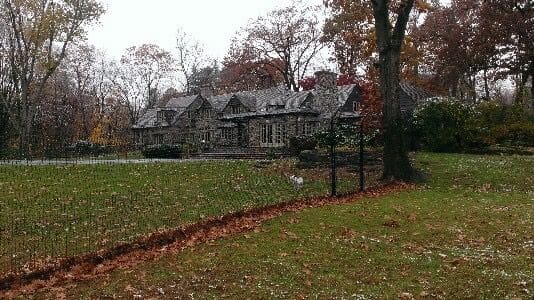
Designing the Ultimate Dog Run Fence MA Homeowners Rely On
An effective dog run fence in MA should be a durable, low-profile physical barrier that contours to rocky New England terrain, preserves open yard views, and keeps active dogs safely buffered from roadway hazards. The right perimeter gives your dog room to sprint, fetch, and explore while creating reliable containment that does not depend on electricity, collars, or disruptive digging.
Planning an effective canine exercise area also requires balancing your pet's physical needs with the natural layout of your property. In Massachusetts, lots range from compact suburban backyards to multi-acre parcels framed by historic stone walls and dense woodlands. Designing a dedicated space for your dog to move safely means identifying boundary lines that maximize usable turf while steering clear of hidden terrain hazards.
When establishing a perimeter, road safety sits at the top of the priority list. Fast-moving regional routes and quiet residential roads alike present significant dangers for an unrestrained dog chasing a squirrel or deer. By working closely with property contours, we establish protective containment zones that position active play areas away from street edges. Homeowners seeking a tailored dog fence in Massachusetts frequently select these layouts to give their pets unrestricted movement without the constant worry of traffic exposure.
A comprehensive dog fence service does more than unroll wire along a boundary line. It takes into account natural sightlines, property usage patterns, and the architectural character of your home. By utilizing high-tensile, low-profile physical barriers, we establish vast running spaces that protect your family companions without dividing open acreage with harsh industrial visual barriers.
Sizing and Layout Options for Your Dog Run Fence MA Project
Determining the square footage of an outdoor run depends on your dog's daily exercise requirements, breed instincts, and overall lot dimensions. While a small side-yard dog run provides convenience for quick bathroom breaks, active breeds thrive when given expansive corridors that allow for full acceleration and sustained play.
For properties spanning 1 to 3.5 acres or more, enclosing large perimeters creates natural exercise lanes along field edges and tree canopies. These expansive configurations allow athletic dogs to run natural laps without feeling confined to a small pen. To make sure athletic pets stay safely within these large zones, selecting the best fence height for large dogs is essential. High-drive breeds often require fences standing five to six feet tall to prevent accidental leaps during high-speed play.
Terrain and Vegetation Challenges with Dog Run Fence MA Properties
New England terrain is famous for its rocky soil, glacial erratics, dense root mats, and undulating slopes. Traditional post-hole digging often stalls when it hits bedrock or damages mature tree root systems, leading to costly landscaping repairs and delayed timelines.
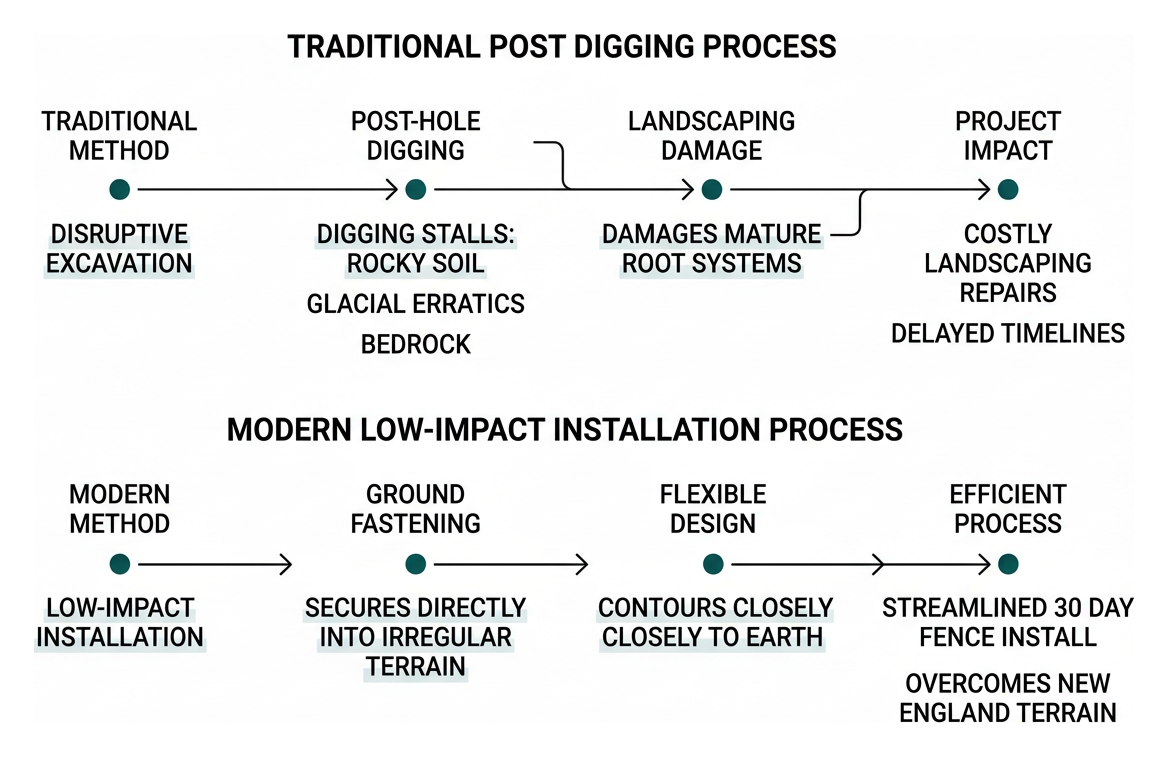
Modern non-electric containment systems overcome these regional hurdles through low-impact ground fastening methods that secure directly into irregular terrain. Whether your perimeter navigates a rocky outcropping or curves through dense pine stands, these flexible designs contour closely to the earth. Our streamlined 30 day fence install process ensures that even complex layouts over uneven Massachusetts ground are installed quickly, securely, and without disruptive excavation.
Comparing Dog Containment Systems for New England Properties
Choosing the right containment setup requires evaluating daily reliability, physical safety, landscape impact, and ongoing maintenance. While many homeowners initially explore electronic pet containment, physical mesh barriers offer critical advantages in preventing external risks from entering your yard.
| Feature | Low-Profile Engineered Mesh | Traditional Wood / Vinyl Privacy | Buried Electronic Wire |
|---|---|---|---|
| Physical Barrier | Yes (High-tensile steel core) | Yes (Solid panels) | No (Relies on shock collar) |
| Wildlife Deterrence | High (Deters coyotes & deer) | Moderate (Can be jumped or dug under) | None (Wild animals enter freely) |
| Landscape Preservation | High (Blends into natural greenery) | Low (Blocks natural views) | High (Invisible underground) |
| Digging / Trenching Needed | No (Low-impact ground anchors) | Yes (Deep post holes required) | Yes (Requires continuous wire burial) |
| Collar Dependency | None | None | 100% Dependent on battery & signal |
| Relative Cost | Saves 30%+ vs. solid fencing | High material & labor investment | Moderate initial, high training upkeep |
Protecting Active Dogs from Traffic and Predators
Road proximity is a continuous concern for pet parents throughout Massachusetts. According to canine containment and injury prevention research, physical barriers provide essential protection against vehicle accidents and roaming hazards. A dog pursuing a wild turkey or deer can blow through an invisible electronic boundary due to high prey drive, only to find itself trapped on the other side near roadway hazards. Physical mesh fences eliminate collar failure risks entirely, maintaining an impassable boundary at the property line.
Beyond stopping pet escapes, physical enclosures protect pets against regional predators. Coyotes and stray animals roam freely across suburban and rural Massachusetts neighborhoods. Homeowners wondering will a fence stop coyotes discover that a taut, non-climbable physical boundary prevents predatory intrusions that underground shock systems cannot stop. This double-sided protection keeps your pets inside while barring hazardous wildlife outside.
Navigating Regional Neighborhood and HOA Guidelines
Historic districts and planned developments across the Commonwealth frequently enforce strict rules regarding neighborhood aesthetics. Solid stockade fences and industrial chain-link barriers often clash with local architectural standards or violate height regulations.
Discreet, engineered mesh designs offer an ideal solution by virtually disappearing against the natural tree canopy and brush. Because these systems preserve wide-open sightlines, they routinely satisfy strict neighborhood covenants. Installing HOA approved dog fences allows homeowners to maintain uncompromised pet security while protecting open residential views.
Case Study: Multi-Acre Containment and Exercise in North Attleboro
In North Attleboro, Massachusetts, a family with an expansive 3.5-acre property faced a classic New England challenge. Their home bordered a busy regional roadway on one side and dense woodland on the other. With two active dogs—a high-spirited 3-year-old and an energetic 9-year-old—the owners needed an outdoor exercise solution that allowed both pets to sprint freely without the danger of reaching the road edge.
Prior to installing a custom perimeter run, outdoor time required constant leashing and supervision. The owners were concerned that traditional fencing would destroy the natural beauty of their rolling acreage and cost a fortune to install over rocky ground. We implemented an engineered, non-electric mesh enclosure that followed the natural tree line along the 3.5-acre boundary.
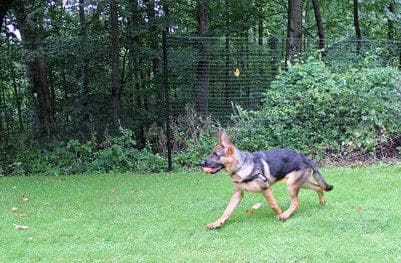
The result was immediate peace of mind. Both dogs gained full access to run expansive laps through the woods and open lawn, safely isolated from street hazards. Homeowners across the region—from our clients using our dog fence in South Shore MA to historic estates utilizing our dog fence in Concord MA—rely on this low-impact, durable approach to secure active multi-acre parcels.
Managing Energy for Multi-Age Dogs
Different ages bring diverse play styles. In our North Attleboro project, the 3-year-old required high-velocity sprints to burn off excess steam, while the 9-year-old favored steady, continuous wandering across varied woodland terrain.
Providing unrestricted access to a large, secure yard allows dogs of varying ages to self-regulate their exercise in line with veterinary guidelines on daily canine activity. Instead of relying solely on structured leash walks, dogs run, sniff, and play naturally. This expansive setup channels natural canine drives into healthy daily exercise, reducing indoor boredom behaviors like nuisance barking and chewing.
Real-World Peace of Mind Near Busy Roads
Living near roadways means containment failure is not an option. Electronic boundary systems can suffer from dead collar batteries, wire breaks from yard aerators, or dogs simply choosing to run through the shock correction to chase game.
A physical, low-visibility barrier establishes an absolute boundary. For estates near commuter arteries, like properties utilizing our dog fence in Westwood MA, this physical security delivers total confidence every time you open the back door.
Frequently Asked Questions about Dog Runs in Massachusetts
What size yard is ideal for an enclosed dog run?
Enclosed dog runs can be tailored to virtually any property size, from quarter-acre suburban yards to open rural parcels exceeding 5 acres. For high-energy breeds, enclosing a perimeter that spans at least half an acre provides sufficient room for full-speed sprinting and long games of fetch. On multi-acre properties, enclosing 1 to 3.5 acres creates a private dog park right in your backyard.
Can a dog run fence accommodate multiple dogs of different ages and breeds?
Yes. Physical mesh systems provide equal containment regardless of your dog's size, age, hearing ability, or temperament. Unlike electronic containment systems that require individual collar calibration and temperament training, a physical barrier reliably contains tiny terriers, growing puppies, and large senior hounds alike without any stress, electrical shocks, or behavioral setbacks.
How do low-visibility fences protect landscapes compared to traditional enclosures?
Traditional solid wood or vinyl fences require deep structural post holes that sever tree roots and alter soil drainage. Low-profile, high-tensile systems use slim support posts and non-invasive ground anchors that navigate around established trees and root networks without trenching.
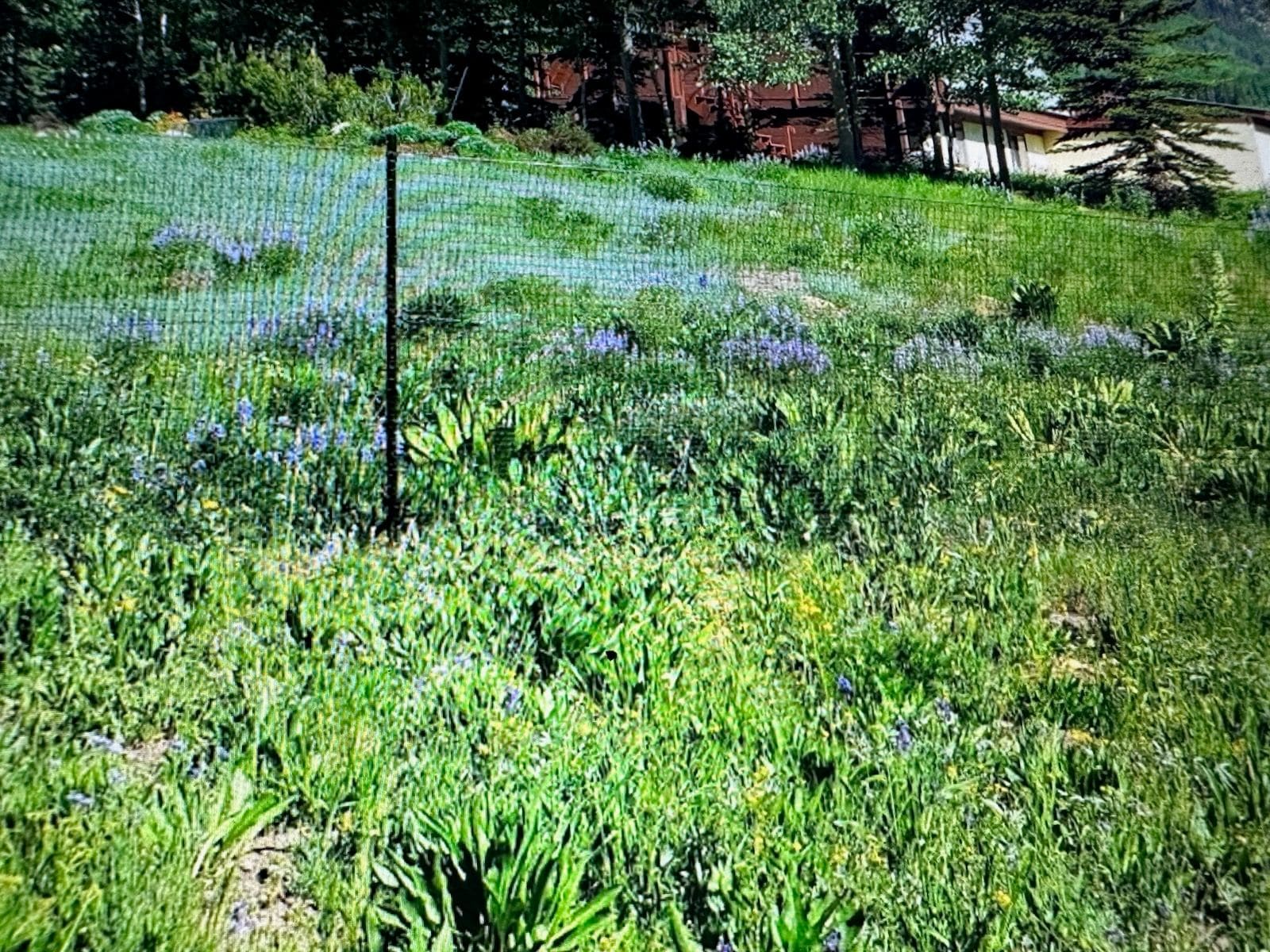
Additionally, our durable mesh designs keep out nuisance wildlife, allowing you to easily protect vegetable garden from deer and rabbits without erecting bulky, view-blocking enclosures across your yard.
Conclusion
Every dog deserves the freedom to run, sniff, and play without restrictive leashes, and every homeowner deserves the peace of mind that comes with reliable outdoor containment. By pairing non-electric steel-cable strength with discreet, low-profile mesh, Modern Fence Install creates expansive dog runs that preserve natural New England views while keeping pets safely away from traffic and wildlife. Whether you have an energetic puppy, an active adult dog, or a multi-acre property, our team is ready to design a clean, durable enclosure customized to your landscape. Explore our specialized, expert property fence installation to build a safe outdoor haven for your pets today.