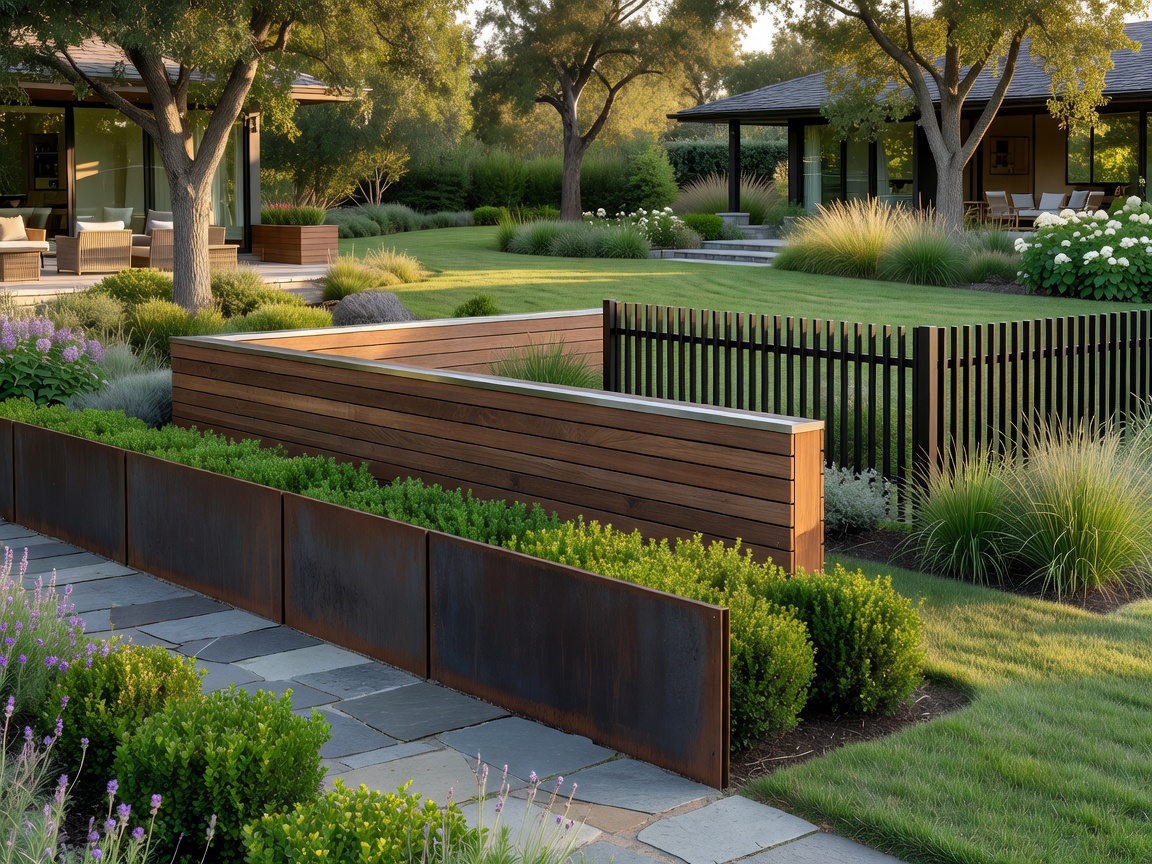
Choose a Low Profile Garden Fence That Protects Without Blocking the View
A low profile garden fence is a short, visually open border that defines beds, protects plants, and helps keep small pets or wildlife out without making the yard feel closed in. For most flower beds and vegetable plots, choose modular panels around 24 to 36 inches high, with tight ground contact and narrow openings if rabbits or small dogs are the concern.
The best option depends on your goal:
- Black powder-coated steel or mesh: durable, discreet, and well suited to no-dig pet and pest barriers.
- Polyresin or vinyl picket panels: affordable, lightweight, and ideal for decorative flower-bed edging.
- Cedar or composite borders: a warmer, more natural look, with more upkeep for real wood.
- Flexible mesh: useful for low-visibility garden protection, though it may need stronger stakes for active pets.
Many low garden borders install with ground spikes rather than trenches or concrete. That means less disruption to roots, easier seasonal changes, and a cleaner way to separate lawn, paths, flowers, and food gardens.
I am Jason Levine, EMT-B, a Senior Consultant at Modern Fence Install, where I help homeowners across CT, NY, and MA select low profile garden fence systems that contain dogs and protect gardens without digging or electricity. The options below will help you match the right material, height, and style to your landscape.
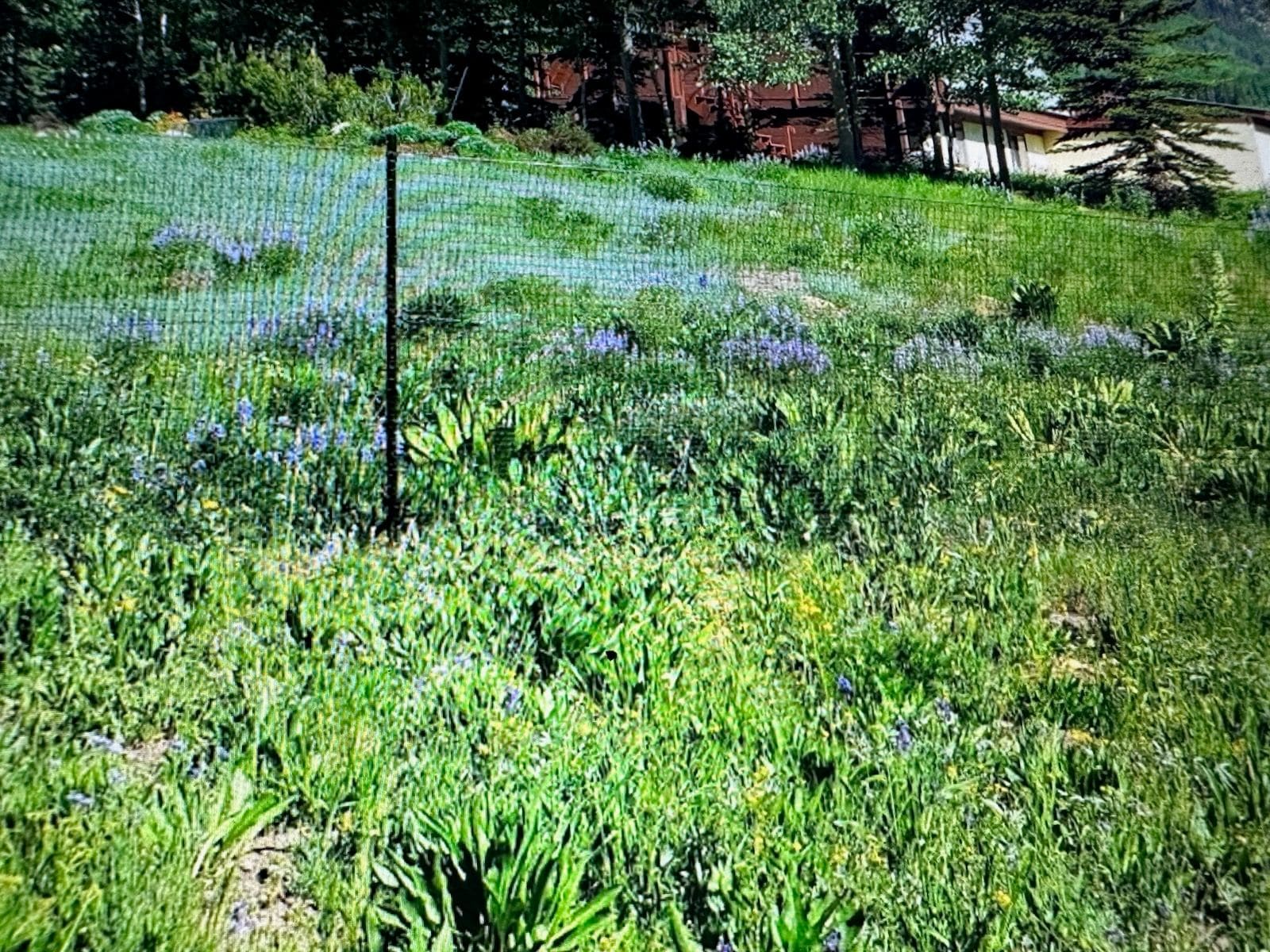
Top Benefits of Low-Profile Garden Borders
A low garden border transforms messy transitions between turf, mulch, and gravel into intentional design features. Rather than acting as a towering wall that cuts off sightlines, a low barrier provides subtle architectural definition. It protects delicate root systems from aggressive lawnmowers, stops wandering foot traffic, and keeps spreading groundcovers contained within designated beds.
These shorter boundaries offer incredible layout flexibility. As your perennial beds expand or your vegetable garden changes footprint from season to season, modular border sections can be reconfigured or expanded in minutes.
Why Choose a Low Profile Garden Fence for Pet and Pest Control
Unfenced vegetable plots and blooming perennials are prime targets for backyard foragers. A low border acts as a reliable physical deterrent against local wildlife and domestic pets. Gardeners often struggle with nibbling pests ruining their harvest; learning practical techniques to protect vegetable gardens from deer and rabbits starts with establishing a solid physical barrier at ground level.
For pet owners, keeping dogs from trampling fresh seedlings or digging into soft compost is a top priority. Choosing durable, non-electric containment solutions allows you to safeguard flower beds and contain smaller companion animals safely, without the psychological stress or maintenance headaches associated with underground shock collars or bulky visual obstructions.
Clean Aesthetics and Visual Boundaries
Bulky privacy walls can make a quaint yard feel boxed in and claustrophobic. Low-profile borders preserve an open, airy feeling across your entire property by keeping sightlines clear.
Dark neutral tones like black and anthracite blend into foliage and mulch, creating a modern, cohesive bridge between your home's exterior trim, hardscaping, and garden beds. The fence delineates functional zones—such as separating a children's play area from a delicate rose bed—without interrupting the natural beauty of your landscape.
Effortless No-Dig Ground Installation
One of the greatest advantages of low-height boundaries is the absence of messy trenching, post-hole digging, or concrete pouring. The installation process uses ground-penetrating spiked feet and interlocking stake connections to secure the panels firmly into lawn or garden soil.

- Map Your Perimeter: Lay out the panels along your garden edge to establish straight runs, gentle curves, or 90-degree corners.
- Interlock Sections: Connect the modular panels using built-in side eyelets, sleeve channels, or twist-lock connectors.
- Drive Spikes: Insert the heavy-duty anchor rods through the connection joints into soft turf or garden soil using a rubber mallet.
- Fine-Tune Alignment: Check the vertical level of each panel and adjust the stake depth to match subtle ground contours.
This no-dig method preserves delicate tree roots, prevents underground utility damage, and allows you to pull up or reposition panels whenever your landscaping plans evolve.
Best Materials for a Low Profile Garden Fence
Choosing the best material comes down to balancing structural strength, local weather conditions, rust resistance, and maintenance requirements.
Powder-Coated Steel and Mesh Panels
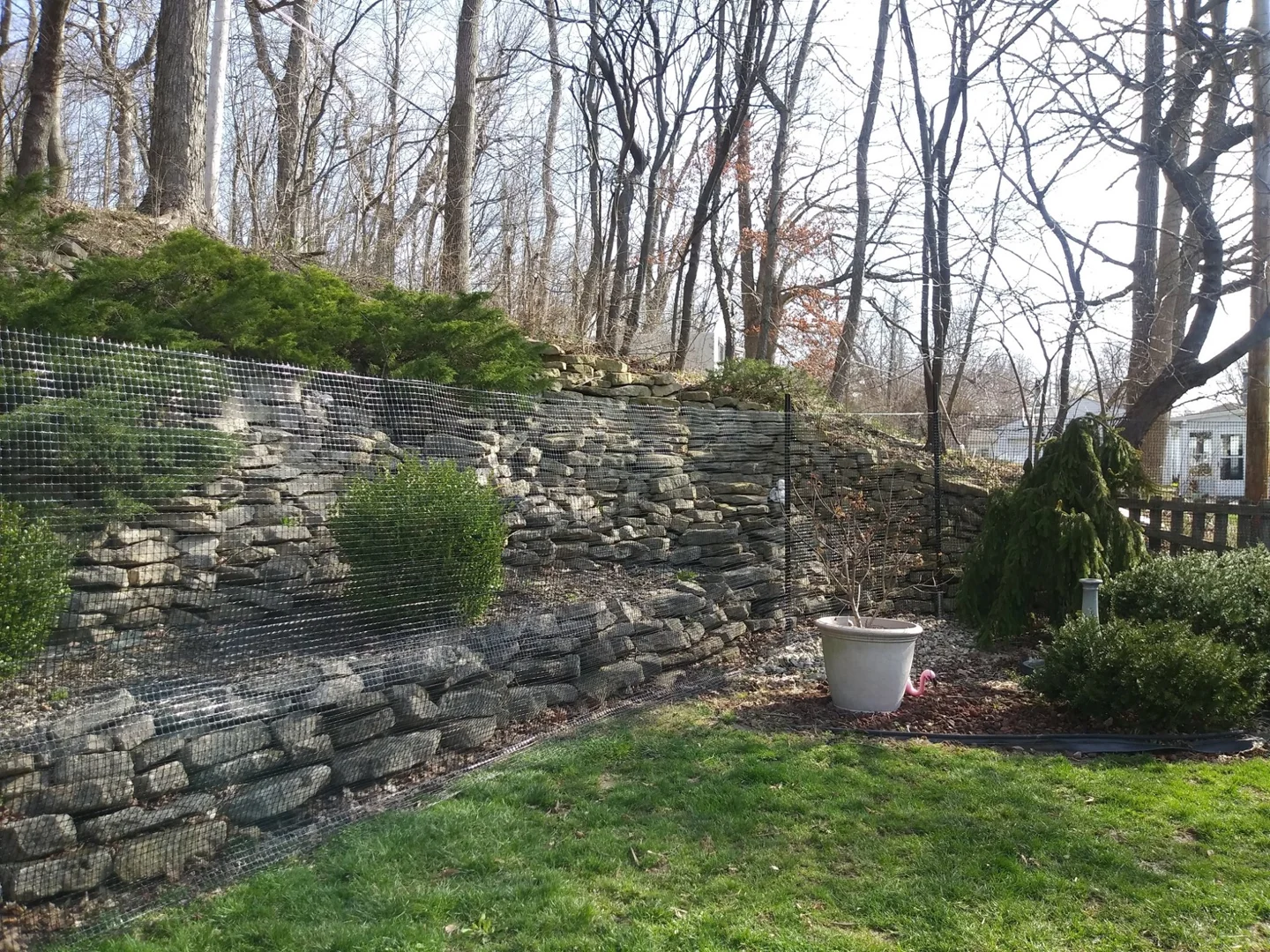
Solid welded steel remains the industry standard for durability and long-term performance. Panels fabricated with a thick wire gauge (often 0.14-inch to 4 mm solid steel wire) withstand accidental bumps from lawn equipment, enthusiastic pets, and heavy winter snowpacks.
A durable powder-coat finish protects the underlying metal against moisture, UV rays, and rust, eliminating the need for periodic repainting. For homeowners seeking a turnkey solution, investing in professional custom garden fence installation ensures high-tensile steel cable and mesh panels are tensioned properly for a sleek, permanent appearance.
Polyresin, Vinyl, and PVC Slats
Polyresin and vinyl borders offer an affordable, rot-proof alternative for decorative landscape edging. High-quality PVC formulations include UV stabilizers that prevent fading, chalking, and brittleness caused by sun exposure.
These panels are lightweight, completely impervious to moisture, and require zero painting or staining. While vinyl lacks the tensile impact resistance of solid steel, it provides a cost-effective border around ornamental flower beds where pet pressure is minimal.
Natural Cedar and Wood Composite
Natural wood borders, particularly western red cedar, deliver a rustic warmth that complements traditional cottage gardens. Cedar contains natural oils and tannins that resist insect damage and decay, though it requires periodic sealing to maintain its warm tones and prevent weather checking.
For a modern alternative with significantly less upkeep, wood-plastic composite panels offer the look of natural wood grain combined with the weather resistance of recycled polymers. High-grade composite slats resist rot, moisture absorption, and termite infestation, providing a long-lasting boundary that stays straight and true year after year.
Key Design Styles for a Low Profile Garden Fence
Matching your fencing style to your home's exterior architecture creates a polished, cohesive landscape.
Classic Arched and Decorative Metal Borders
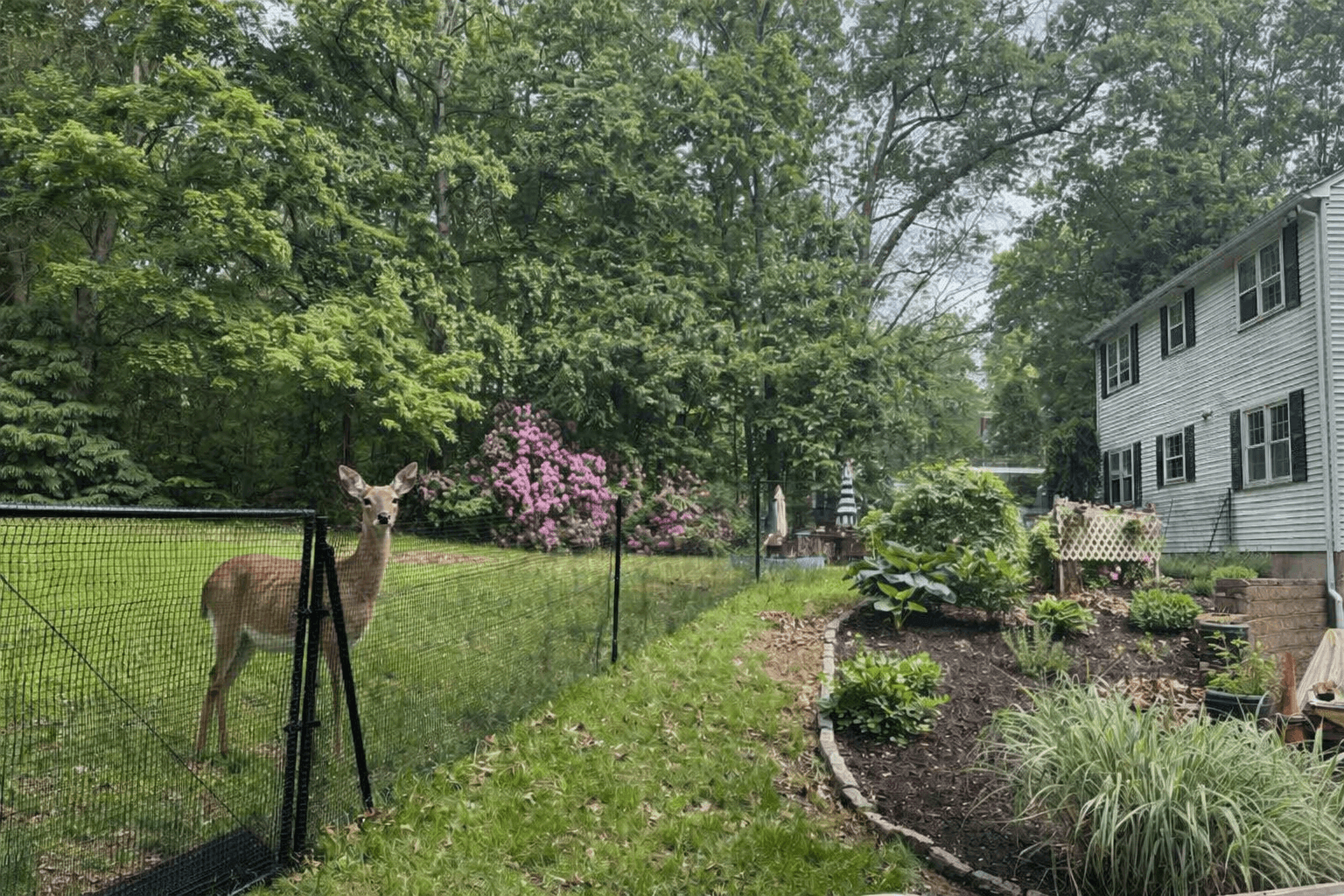
Featuring elegant curved tops, ornamental scrollwork, and subtle spear finials, classic arched metal borders add timeless charm to perennial gardens. The open wire grid provides structure without obstructing blooming hydrangeas, roses, or ornamental grasses. Finished in matte black, these ornamental panels provide a crisp contrast against colorful blossoms and lush green foliage.
Modern Horizontal Slat and Mesh Barriers
Modern landscapes benefit from clean, minimalist geometry. Low-profile horizontal slat systems and ultra-thin mesh barriers in charcoal or anthracite gray create sleek, architectural borders around contemporary patio spaces and raised garden beds.
These designs maintain an understated profile that satisfies neighborhood aesthetics and standard HOA-approved fence styles while securing the garden perimeter.
Traditional Low Picket and Border Edging
Nothing complements a cottage-style garden quite like a classic low picket border. Available in scalloped, straight-top, or gothic picket profiles, these borders stand between 12 and 24 inches high to frame pathways and wrap neatly around vegetable patches. Whether rendered in crisp white vinyl, natural weathered cedar, or dark resin, picket edging adds visual charm to garden borders.
Material Comparison: Cost, Durability, and Maintenance
Evaluating the upfront price alongside long-term durability helps determine the true value of your garden border investment.
| Material Type | Average Cost per Linear Foot | Expected Lifespan | Maintenance Level | Installation Complexity | Primary Strength |
|---|---|---|---|---|---|
| Powder-Coated Steel | $12 – $28 | 15 – 25+ Years | Low (Occasional rinse) | Easy (No-dig stakes) | Superior pet and pest deterrence |
| Engineered Steel Mesh | $18 – $35 | 20 – 30+ Years | Ultra-Low | Easy to Moderate | Near-invisibility and high tensile strength |
| Polyresin / PVC Vinyl | $5 – $15 | 8 – 15 Years | Low (Wash with hose) | Very Easy (Ground push-in) | Budget-friendly decorative edging |
| Natural Western Red Cedar | $14 – $26 | 10 – 18 Years | Moderate (Seal every 2–3 yrs) | Moderate (Small posts) | Warm, organic aesthetic |
| Wood-Plastic Composite | $20 – $40 | 20 – 25+ Years | Low (Soap and water) | Easy to Moderate | Rot-proof wood alternative |
If you are replacing an aging border that has rotted or rusted through, evaluating fence repair versus replacement will help you decide whether to patch individual sections or upgrade to a modern, low-maintenance steel or composite system.
Frequently Asked Questions About Garden Fencing
What height is ideal for keeping small dogs and rabbits out?
Panels measuring 24 to 36 inches high are ideal for containing small dogs and deterring wild rabbits. To stop rabbits from squeezing through, ensure the vertical wire spacing is 2 inches or narrower.
To prevent small animals from pushing underneath, choose panels with anchor stakes that sit flush against the soil line, eliminating bottom gaps. If you have active pets, selecting fence height for pet containment based on your dog's breed and jumping ability ensures the barrier remains effective.
Can I install low garden borders without digging trenches?
Yes. Most modern low-profile garden fences are designed specifically for no-dig installation. The individual panels connect together using interlocking metal loops, and ground-penetrating steel stakes are driven directly into the turf using a standard rubber mallet.
If your soil is hard-packed or full of clay, moisten the ground thoroughly with a garden hose an hour before installation to make driving the stakes effortless.
How do low-profile fences hold up in winter weather?
High-quality powder-coated steel and engineered mesh systems hold up exceptionally well throughout freezing winter conditions. Because they use slim ground stakes rather than large concrete footings, they naturally resist the frost heaves that often crack rigid concrete posts in northern climates.
The open wire structure allows wind, rain, and drifting snow to pass right through without catching wind load or buckling under snow weight.
Conclusion
A well-chosen low profile border brings order, beauty, and practical protection to your landscape. By keeping sightlines open, preventing lawnmower damage, and deterring backyard critters, these systems enhance the curb appeal and everyday usability of your outdoor living spaces.
At Modern Fence Install, we engineer and install durable, low-visibility steel-cable and mesh fence systems designed to protect gardens and contain pets across Connecticut, New York, and Massachusetts. Our non-electric, no-dig installation approach protects your mature landscaping, saves 30%+ compared to traditional solid privacy builds, and is completed within 30 days. Homeowners looking to upgrade their properties can explore our professional fence installation in Bergen County, NJ to create a clean, lasting boundary for their garden beds.